

Introduction to Jeju Island
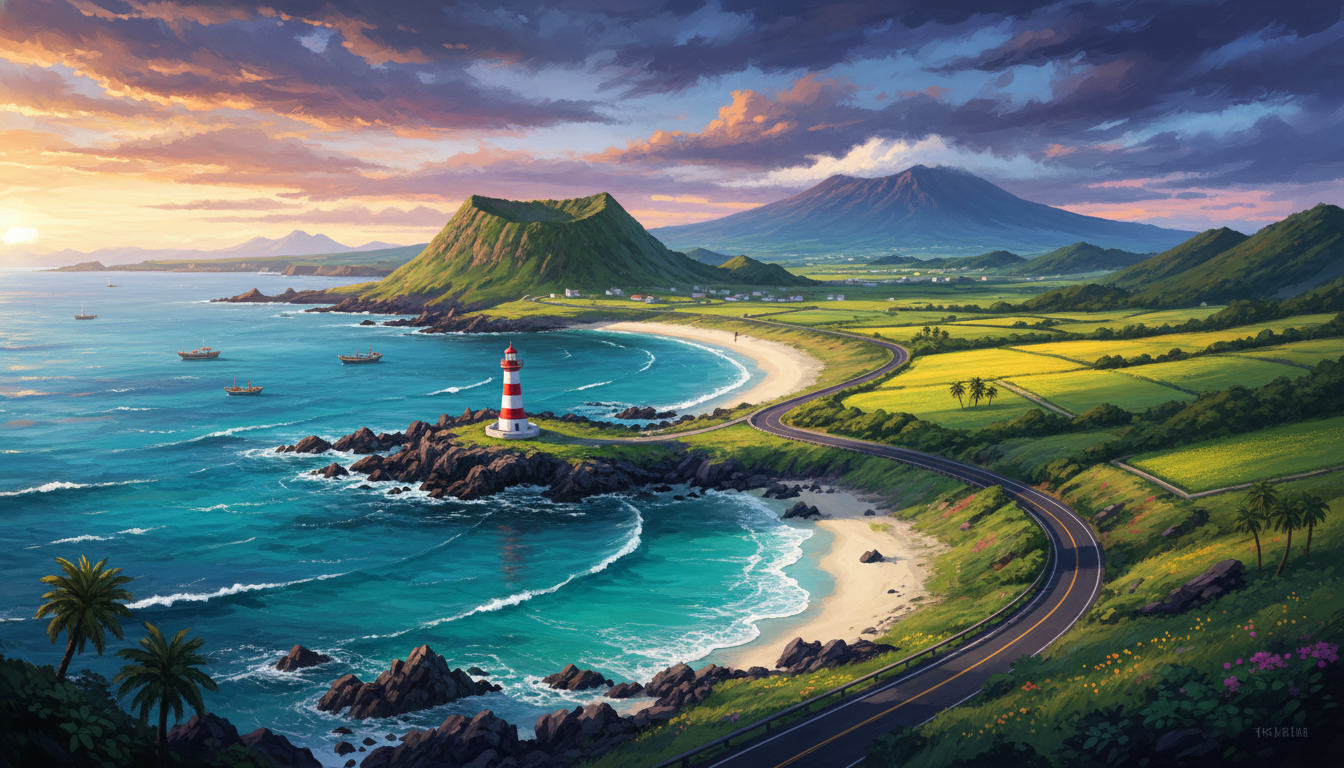
Jeju Island, often referred to as the ‘Hawaii of Korea,’ is a stunning volcanic island located off the southern coast of the Korean Peninsula. Known for its breathtaking natural landscapes, unique cultural heritage, and delicious cuisine, it is a must-visit destination for anyone traveling to South Korea. This itinerary is designed to help you navigate the island’s diverse attractions, from the heights of Hallasan Mountain to the depths of Manjanggul Cave.
Best Time to Visit Jeju
While Jeju is a year-round destination, the best times to visit are during the spring (April to June) when cherry blossoms and canola flowers are in full bloom, or during the autumn (September to November) for mild weather and vibrant foliage. Summers can be humid and rainy, while winters are chilly but offer a unique charm, especially if you enjoy seeing a snow-capped volcano.
Day 1: Exploring the East Coast
Start your Jeju adventure on the east side of the island, which is home to some of the most iconic geological formations. The east coast offers a mix of dramatic cliffs and subterranean wonders that define the island’s volcanic identity.
Seongsan Ilchulbong (Sunrise Peak)
Begin your day early at Seongsan Ilchulbong, a UNESCO World Heritage site. This tuff cone was formed by hydrovolcanic eruptions thousands of years ago. The hike to the top takes about 20-30 minutes and rewards you with a panoramic view of the crater and the surrounding ocean. It is particularly famous for its sunrise views, so consider arriving before dawn if you are an early riser.
Manjanggul Cave
Next, head underground to Manjanggul Cave, one of the finest lava tunnels in the world. This cave features a variety of interesting geological structures, including a massive lava column that stands 7.6 meters high. The temperature inside remains a cool 11-15 degrees Celsius year-round, making it a perfect escape from the midday sun.
Seopjikoji and Haenyeo Divers
Spend your afternoon at Seopjikoji, a scenic coastal area known for its unique rock formations and lighthouse. If you are lucky, you might spot the famous Haenyeo (Jeju sea women) diving for fresh seafood. These incredible women, some in their 70s and 80s, dive without oxygen tanks and are a vital part of Jeju’s cultural identity.
Day 2: The Wonders of Seogwipo and the South
On your second day, head south toward Seogwipo, the island’s second-largest city. This area is famous for its majestic waterfalls and unique coastal cliffs.
Jeongbang and Cheonjiyeon Waterfalls
Visit Jeongbang Waterfall, the only waterfall in Asia that falls directly into the ocean. The sound of the water crashing against the rocks is truly mesmerizing. Afterward, make a short trip to Cheonjiyeon Waterfall, which is surrounded by lush greenery and offers a peaceful walking path.
Jusangjeolli Cliffs
The Jusangjeolli Cliffs are a spectacular sight to behold. These hexagonal basalt columns were formed when lava from Hallasan Mountain cooled rapidly upon hitting the sea. The precision of the natural formations looks almost man-made, showcasing the incredible power of volcanic activity.
O’sulloc Tea Museum
For a change of pace, visit the O’sulloc Tea Museum. Here, you can learn about traditional Korean tea culture and wander through vast green tea plantations. Don’t forget to try their signature green tea ice cream or a matcha latte at the cafe while enjoying the view of the rolling green fields.
Day 3: The Scenic West Coast and Beaches
The west coast of Jeju is known for its white sandy beaches and crystal-clear turquoise waters. This day is all about relaxation and enjoying the island’s natural beauty.
Hyeopjae and Geumneung Beaches
Spend your morning at Hyeopjae Beach. Its shallow waters and white sand make it one of the most popular beaches on the island. Right next to it is Geumneung Beach, which offers a quieter atmosphere and a great view of Biyangdo Island in the distance.
Hallim Park
Located near the beaches, Hallim Park is a massive botanical garden featuring various themed areas, including a palm tree road, a bonsai garden, and two small lava caves. It is a great place for a leisurely stroll and offers plenty of photo opportunities.
Suwolbong Peak and Sunset
End your third day at Suwolbong Peak. This coastal hill is known for its layers of volcanic ash and is one of the best spots on the island to watch the sunset. The golden light reflecting off the ocean provides a perfect conclusion to your day of coastal exploration.
Day 4: Hiking Hallasan Mountain
No trip to Jeju is complete without experiencing Hallasan Mountain, the highest peak in South Korea. This dormant volcano sits at the center of the island and offers several hiking trails for different skill levels.
Choosing Your Trail
If you want to reach the summit and see the crater lake (Baengnokdam), you must take either the Seongpanak or Gwanumsa trail. These are full-day hikes taking approximately 7-9 hours round trip. For a shorter, less strenuous hike, the Eoseungsaengak trail provides beautiful views of the surrounding landscape without requiring a full day’s commitment.
Hiking Essentials
- Wear sturdy hiking boots with good grip.
- Bring plenty of water and high-energy snacks.
- Check the weather forecast and trail status before heading out.
- Make a reservation online if you plan to hike to the summit.
Jeju Island Culinary Highlights
Jeju’s food scene is as diverse as its landscape. Make sure to indulge in the local specialties that you won’t find anywhere else in Korea.
Black Pork BBQ
The most famous dish on the island is Jeju Black Pork. The meat is known for being more tender and flavorful than regular pork. It is typically grilled over charcoal and served with a variety of side dishes and a dipping sauce made from fermented anchovies.
Fresh Seafood and Abalone
Being an island, Jeju offers an abundance of fresh seafood. Try the Abalone Porridge (Jeonbok-juk) or grilled mackerel. For those feeling adventurous, raw seafood platters featuring sea squirt and octopus are widely available at coastal restaurants.
Practical Tips for Your Jeju Trip
To make the most of your itinerary, keep these practical tips in mind during your planning and travel.
Getting Around: Car Rental vs. Public Transport
The most efficient way to see Jeju is by renting a car. The island is large, and public buses, while reliable, can be time-consuming. Having your own vehicle allows you the flexibility to visit remote areas and travel at your own pace. Ensure you have an International Driving Permit (IDP) before you arrive.
Accommodation Suggestions
Depending on your preference, you can stay in Jeju City for proximity to the airport and nightlife, or Seogwipo for a more relaxed, resort-like feel. There are also many charming guesthouses and ‘pensions’ scattered throughout the countryside for a more local experience.
Conclusion
Jeju Island is a destination that offers something for everyone, whether you are an outdoor enthusiast, a foodie, or someone looking to relax by the sea. By following this 4-day itinerary, you will experience the very best that this ‘Island of the Gods’ has to offer. Pack your bags and get ready for an unforgettable journey through one of South Korea’s most beautiful treasures.