



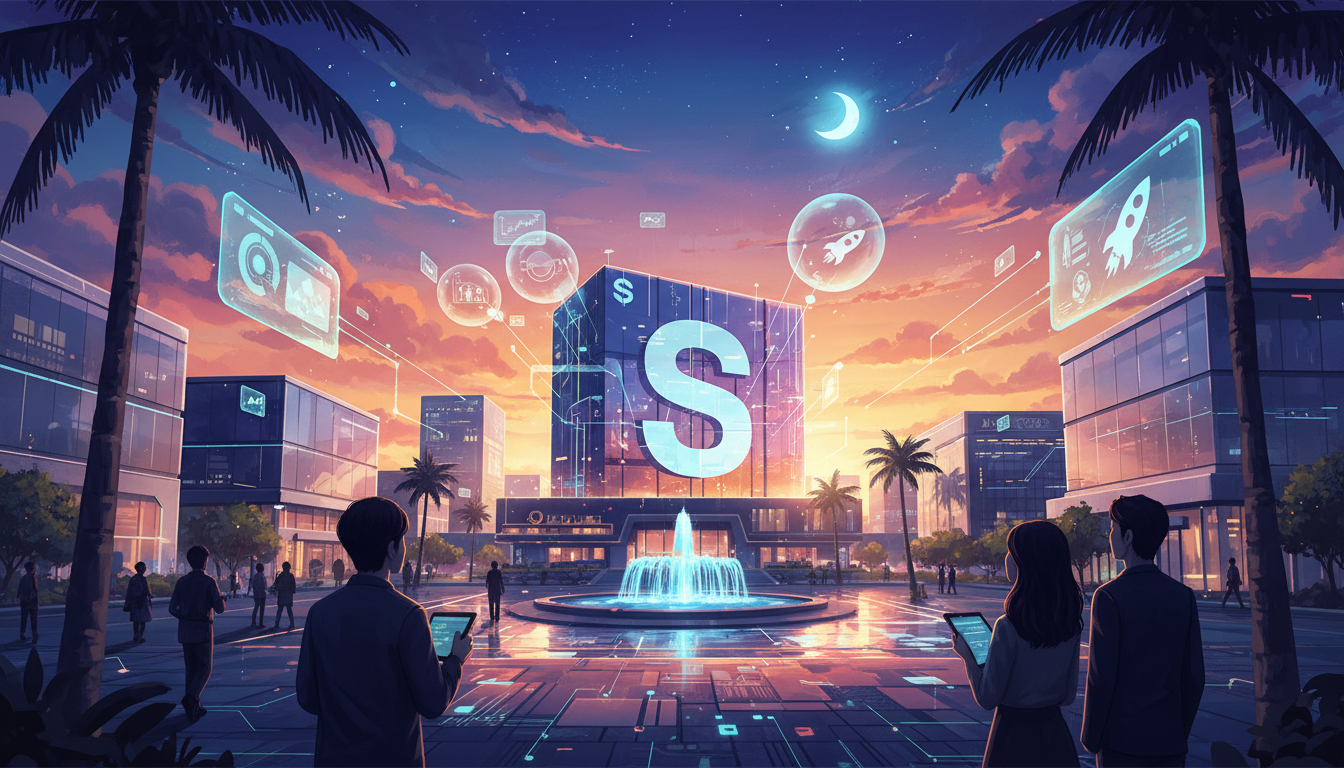
The South Korean drama Start-Up took the world by storm when it premiered in late 2020. Set in the fictional Silicon Valley of South Korea called Sand Box, the series tells the story of young entrepreneurs striving to turn their dreams into reality. Beyond the compelling love triangle and the high-stakes business deals, there are numerous fascinating facts that make this drama a masterpiece of modern television. From casting choices to technical consulting, let us dive into 19 interesting facts about this beloved series.
The Creative Powerhouse Behind the Scenes
One of the primary reasons for the show’s success was the collaboration between Writer Park Hye-ryun and Director Oh Choong-hwan. This duo previously worked together on the hit drama While You Were Sleeping. Interestingly, this was also the third time Bae Suzy worked with Writer Park, following Dream High and While You Were Sleeping, proving their incredible professional synergy.
1. The Iconic Lead Pairing
The drama marked the first time Bae Suzy and Nam Joo-hyuk shared the screen as a romantic couple. Fans had long anticipated this pairing, and their chemistry did not disappoint. While Suzy played the resilient Seo Dal-mi, Nam Joo-hyuk portrayed the brilliant but socially awkward Nam Do-san. Their height difference and visual compatibility became a hot topic among netizens during the show’s airing.
2. Kim Seon-ho’s Explosive Popularity
Although he was already established in the theater world, Start-Up was the turning point for Kim Seon-ho. Playing the role of Han Ji-pyeong, the ‘Good Boy’ with a sharp tongue but a warm heart, his Instagram followers jumped from around 600,000 to over 4 million during the drama’s run. He became the face of the ‘Second Lead Syndrome’ globally.
3. The Voice of Jang Young-shil
Many viewers were curious about the voice of the AI speaker, Jang Young-shil, who often gave hilarious and oddly prophetic advice to Han Ji-pyeong. It was later revealed that the voice belonged to actor Yeo Jin-goo. He eventually made a physical cameo in the final episode as a young entrepreneur, creating a delightful full-circle moment for fans.
Production Design and Symbolism
4. Sand Box is Inspired by Real Tech Hubs
The concept of Sand Box was inspired by the real-world Silicon Valley and various global startup incubators. The name itself carries a deeper meaning, representing a safe place where children can play and fall without getting hurt, which mirrors the drama’s theme of providing a safety net for young entrepreneurs to take risks.
5. The Real-Life Location of Sand Box
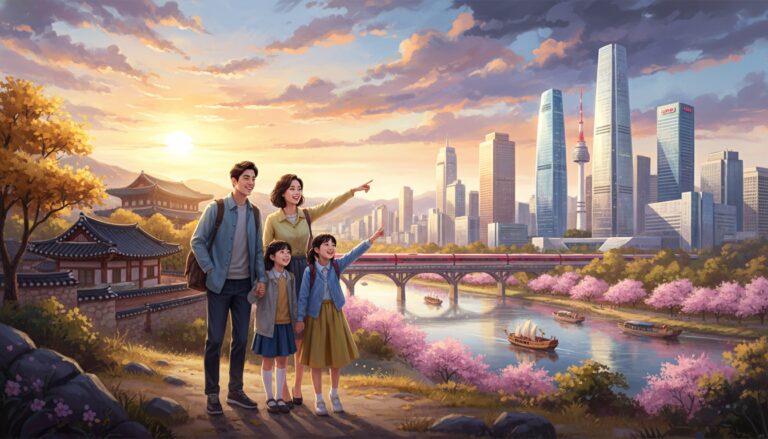
The beautiful outdoor scenes of the Sand Box headquarters were filmed at Nodeul Island, an artificial island in the Han River in Seoul. Since the drama aired, the location has become a popular tourist destination for K-drama fans looking to recreate the iconic scenes of characters walking across the bridge.
6. The Meaning of Samsan Tech
The name Samsan Tech, founded by Nam Do-san and his two friends, literally translates to ‘Three Mountains Tech.’ This refers to the ‘San’ in the names of the three founders: Nam Do-san, Kim Yong-san, and Lee Chul-san. It symbolizes their unity and their ambition to reach the peak of the tech industry.
Character Preparation and Dedication
7. Kang Han-na’s Physical Transformation
To portray the cold and professional Won In-jae, actress Kang Han-na decided to cut her hair into a sharp, short bob. This was a deliberate choice to differentiate her character from the more approachable Seo Dal-mi and to emphasize In-jae’s no-nonsense, corporate persona.
8. Professional Technical Consulting
To ensure the business and coding aspects of the show were realistic, the production team hired real-life venture capitalists and tech experts as consultants. They reviewed the scripts to make sure the terminology regarding AI, machine learning, and Series A funding was used correctly, making the drama relatable to those in the actual startup industry.
9. The Art of Letter Writing
The central plot device of the drama involves letters written years ago. The production team spent a significant amount of time designing the stationery and the handwriting styles for the characters. The emotional weight of these letters served as the foundation for the complex relationship between Dal-mi, Do-san, and Ji-pyeong.
Music and Cameos
10. A Star-Studded Soundtrack
The OST for Start-Up featured some of the biggest names in the K-pop industry. Red Velvet performed the upbeat opening track ‘Future,’ while other artists like Gaho, Davichi, and even Suzy herself contributed emotional ballads that enhanced the viewing experience.
11. Lee Bo-young’s Surprising Appearance
In a nod to her previous work with the director and writer in I Can Hear Your Voice, top actress Lee Bo-young made a special cameo. She appeared as a woman at a bar who gives Seo Dal-mi some cryptic but helpful advice during a moment of crisis.
12. The Symbolism of the Money Tree
The money tree (Pachira aquatica) given to Dal-mi by Do-san became a recurring symbol of growth and hope. In the drama, the health of the tree often mirrored the status of their startup and their personal relationship, adding a layer of visual storytelling to the narrative.
Global Impact and Themes
13. Promoting Female Leadership
One of the most praised aspects of Start-Up was its portrayal of strong female leaders. Both Seo Dal-mi and Won In-jae are shown as capable, ambitious women navigating a male-dominated industry. Their rivalry and eventual professional respect highlighted the nuances of female empowerment in the modern workplace.
14. Addressing Mental Health and Burnout
The drama did not shy away from the darker side of the startup world. Through the character of Kim Yong-san, the show explored the themes of revenge and the mental toll that failure can take on entrepreneurs, reminding viewers that success often comes after significant personal struggle.
15. The Global Netflix Success
Start-Up was distributed globally by Netflix, where it consistently ranked in the Top 10 lists in various countries, including the Philippines, Thailand, and Brazil. This global reach helped introduce the concept of the Korean tech scene to an international audience.
16. The ‘Good Boy’ Nickname
The nickname ‘Good Boy’ given to Han Ji-pyeong by Dal-mi’s grandmother became so iconic that it followed Kim Seon-ho in real life. It perfectly encapsulated his character’s hidden kindness and his tragic backstory, making him one of the most sympathetic characters in K-drama history.
17. Accuracy of Hackathons
The intense 48-hour hackathon depicted in the early episodes was lauded for its accuracy. From the frantic coding to the stress of the pitch deck, the show captured the high-pressure environment that many real-life developers face during startup competitions.
18. The Evolution of AI Technology
The drama showcased the evolution of AI through the ‘Coda’ and ‘NoonGil’ apps. These fictional technologies were based on real-world applications of image recognition and AI-assisted tools for the visually impaired, showing the potential for tech to be used for social good.
19. A Message of Resilience
Ultimately, the 19th and perhaps most important fact is that Start-Up was designed to be a healing drama. The creators wanted to send a message to the youth that it is okay to fail and that the journey of ‘sailing without a map’ is what truly defines a person’s character.
The Lasting Legacy of Start-Up
Years after its conclusion, Start-Up remains a staple for K-drama fans. It successfully balanced technical business jargon with heartfelt human emotions. Whether you are a fan of the romance or the entrepreneurial journey, the drama offers valuable lessons on perseverance, honesty, and the courage to follow your dreams regardless of the obstacles in your way.