

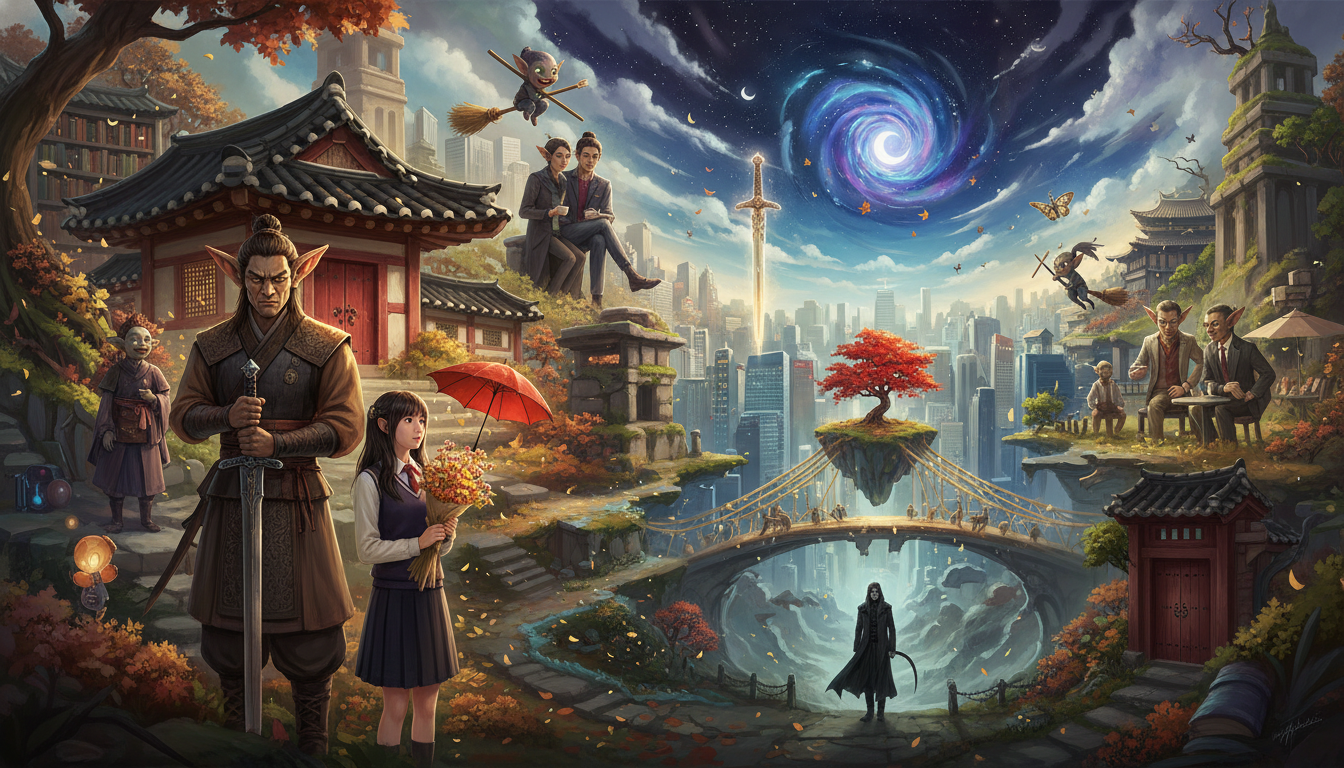
The world of Korean television has introduced global audiences to a variety of mythological creatures, but none have captured hearts quite like the Goblin, or Dokkaebi. While Western audiences might associate goblins with small, green, and often malevolent creatures found in fantasy literature, the Korean Dokkaebi is a vastly different entity. In the realm of K-Dramas, particularly highlighted by the 2016 masterpiece ‘Guardian: The Lonely and Great God,’ the Goblin is a complex figure blending divinity, tragedy, and charm. Understanding these beings requires a look into both ancient folklore and modern screenwriting.
The Mythological Roots of the Dokkaebi
The Dokkaebi is a legendary creature from Korean mythology that has existed in oral traditions for centuries. Unlike ghosts (Gwishin), which are the spirits of deceased humans, Dokkaebi are formed from inanimate objects. This fundamental difference sets the stage for how they interact with the human world. In K-Dramas, these myths are often adapted to fit romantic and dramatic narratives, creating a unique hybrid of ancient belief and contemporary storytelling.
1. They Are Not Formerly Human
In traditional folklore, a Dokkaebi is not the spirit of a person who has passed away. Instead, they are spontaneous manifestations from old, discarded household items like broomsticks, pokers, or blood-stained tools. While the famous K-drama ‘Goblin’ depicts Kim Shin as a former general, this was a creative liberty taken to add emotional depth. Traditionally, the Dokkaebi is an elemental spirit born from the remnants of human use and discarded energy.
2. The Iconic ‘Goblin’s Club’ (Bangmangi)
One of the most significant attributes of a traditional Goblin is the ‘Dokkaebi Bangmangi.’ This magic club acts much like a magic wand, allowing the creature to summon items out of thin air. However, it cannot create things from nothing; it ‘steals’ or ‘transports’ existing items to the user. In K-Dramas, this power is often modernized into the ability to manipulate reality or manifest gold and wealth, symbolizing the Goblin’s role as a bringer of both fortune and trickery.
3. They Are Masters of Wrestling
A lesser-known fact outside of Korea is that Dokkaebi are obsessed with ‘Ssireum,’ or traditional Korean wrestling. Folklore suggests that Goblins would often stop travelers and challenge them to a wrestling match for the right to pass. They are said to be incredibly strong but have a weakness: they can be defeated if you push them from the right side, as they are believed to have only one leg or a specific physical imbalance in certain regional myths.
4. A Fondness for Mischief, Not Malice
Unlike the demonic portrayals of spirits in some cultures, Dokkaebi are generally seen as mischievous rather than evil. They enjoy playing pranks on humans, such as leading travelers in circles or hiding household items. In K-Dramas, this is often translated into the lead character’s witty banter and playful personality, making them relatable and endearing to the audience despite their god-like powers.
Modern Interpretations and Visual Shifts
5. The Transformation into Fashion Icons
Before the Hallyu wave, Dokkaebi were often depicted as fearsome, one-eyed ogres with horns and grotesque features. However, modern K-Dramas revolutionized this image. The portrayal by actors like Gong Yoo turned the Goblin into a tall, handsome, and impeccably dressed gentleman. This shift was instrumental in making the ‘Goblin’ archetype a romantic lead, focusing on the ‘lonely god’ aesthetic rather than a monster aesthetic.
6. The Connection Between Weather and Emotion
A fascinating trope established in modern K-Drama lore is the connection between the Goblin’s mood and the weather. When the Goblin is sad, it rains; when he is happy, flowers bloom out of season. This poetic device allows the audience to visualize the character’s internal struggle. It reinforces the idea that the Dokkaebi is an elemental force of nature, deeply tied to the physical world around him.
7. The Curse of Immortality
In the context of K-Drama storytelling, the Goblin’s immortality is rarely presented as a gift. Instead, it is a ‘beautiful punishment.’ The character must watch everyone they love grow old and die while they remain unchanged. This sense of eternal loneliness is a core theme that drives the emotional weight of Goblin-centric stories, highlighting the human desire for a meaningful end versus a hollow eternity.
8. The Role of the ‘Goblin’s Bride’
The concept of the ‘Goblin’s Bride’ is a central plot point in television adaptations. According to the drama’s lore, only the bride can pull out the sword embedded in the Goblin’s chest, allowing him to finally return to nothingness. This creates a tragic paradox: the one person the Goblin loves and needs is the only one who can end his life. This specific narrative arc is a modern invention that has become synonymous with the Goblin myth in popular culture.
Spiritual Relationships and Powers
9. The Dynamic with Grim Reapers
K-Dramas often pair Goblins with Grim Reapers (Jeoseung Saja). While they represent opposite ends of the spiritual spectrum—one being a bringer of life and fortune, the other a guide to the afterlife—their chemistry is a fan favorite. In folklore, they don’t interact as frequently, but in television, their ‘bromance’ serves as a commentary on the balance of life and death, often providing comic relief amidst the high-stakes drama.
10. Teleportation Through Doors
One of the most visually stunning powers of the K-Drama Goblin is the ability to teleport across the world simply by walking through a door. Whether it is moving from Seoul to Quebec, this ability emphasizes the Goblin’s status as a being who transcends human spatial limitations. It adds a sense of wonder and international scale to the stories, making the world feel interconnected through magic.
11. Fear of Horse Blood
According to ancient Korean tradition, Dokkaebi have a profound fear of horse blood. This was often used by villagers to keep Goblins away from their homes. While not always featured in modern romantic dramas, this detail is a staple in more traditional horror or historical depictions of the creature. It serves as a reminder of the Goblin’s folk origins and their specific vulnerabilities.
12. The Power to Grant Wealth
Dokkaebi have long been associated with wealth and prosperity. In many stories, they help good people find fortune or provide gold using their magic. This is why many businesses in Korea use Goblin-related imagery for luck. In dramas, the Goblin is often depicted as being fabulously wealthy, living in a mansion filled with priceless antiques, which is a nod to the mythological ‘Dokkaebi’s Gold.’
The Cultural Legacy of the K-Drama Goblin
The re-imagining of the Dokkaebi has had a significant impact on Korean tourism and cultural exports. Locations used in Goblin dramas have become pilgrimage sites for fans, and the ‘Dokkaebi’ has been successfully rebranded as a symbol of Korean fantasy. By blending historical accuracy with modern creative flair, these dramas have ensured that the legend of the Goblin will continue to evolve for generations to come.
Summary of Goblin Characteristics:
- Origin: Created from used objects, not human souls.
- Temperament: Mischievous, playful, and occasionally lonely.
- Abilities: Reality manipulation, weather control, and teleportation.
- Weaknesses: Horse blood and the ‘Goblin’s Bride.’
In conclusion, the Goblin in K-Drama is much more than just a supernatural character; it is a bridge between Korea’s rich mythological past and its vibrant creative present. Whether through the lens of a tragic romance or a supernatural comedy, the Dokkaebi remains one of the most versatile and beloved figures in the world of television, proving that even ancient legends can find a new life in the modern age.