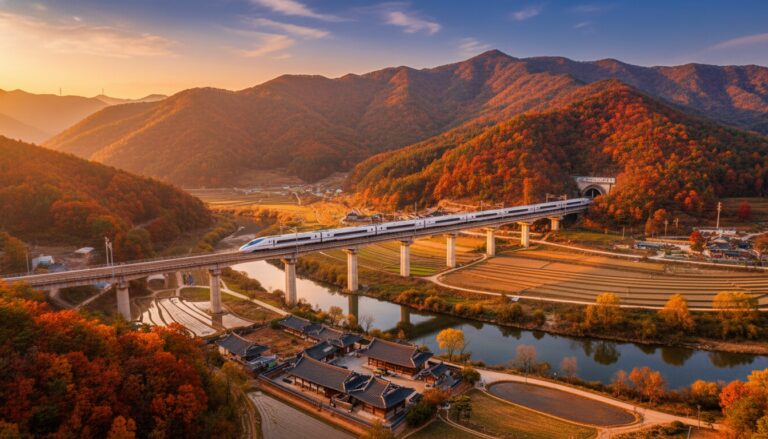

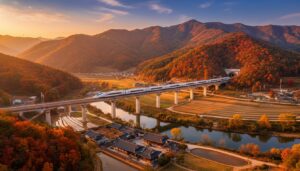

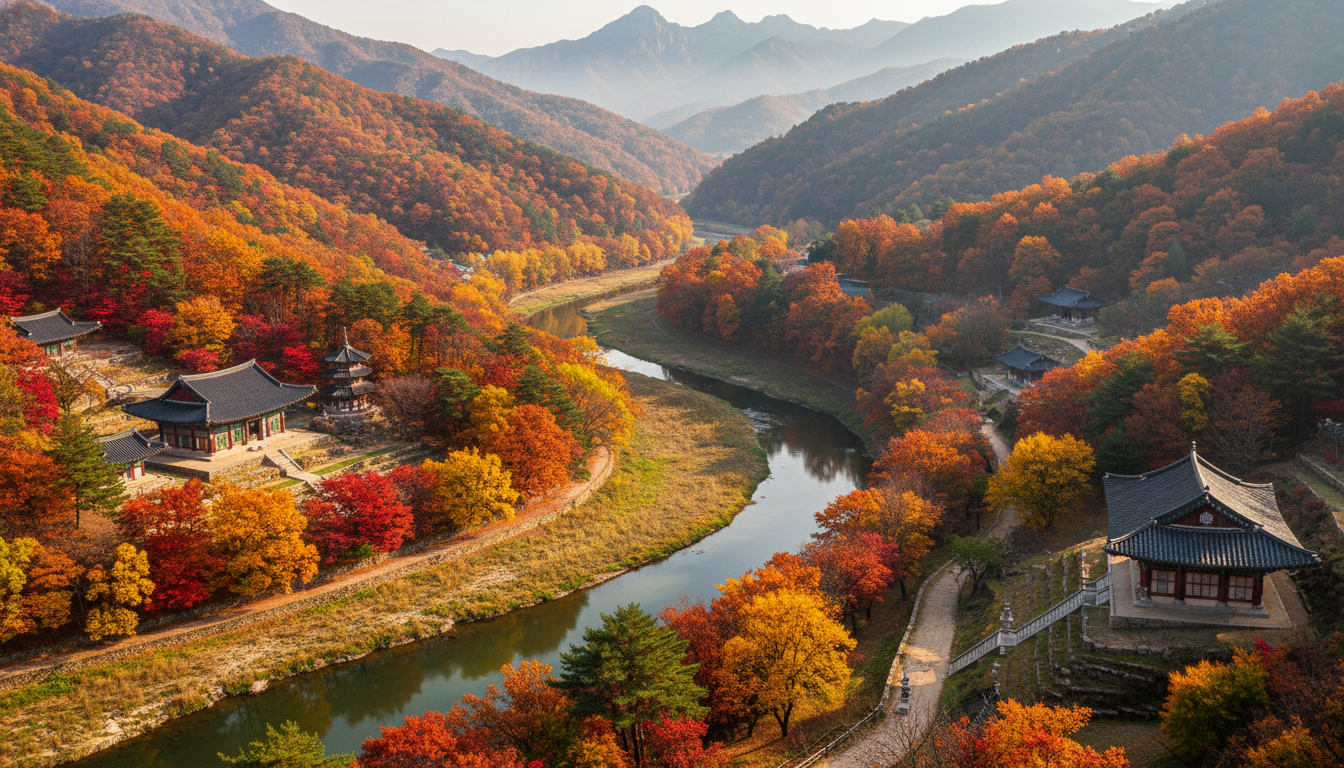
South Korea transforms into a vibrant canvas of red, orange, and gold as the autumn season takes hold. For travelers and locals alike, witnessing the Korea autumn foliage spots is a seasonal highlight that offers a unique blend of natural beauty and cultural heritage. The transition usually begins in late September in the northern regions and reaches its peak across the peninsula by late October and early November.
The crisp air and clear blue skies of the Korean fall, known as ‘Cheongmyeong’, provide the perfect conditions for outdoor exploration. Whether you are an avid hiker looking for challenging mountain trails or a casual stroller seeking the beauty of urban parks, Korea has something to offer every type of autumn enthusiast. Tracking the foliage forecast is essential, as the peak colors typically last only about two weeks in any given location.
Top National Parks for Breathtaking Autumn Views
Korea’s national parks are the crown jewels of the autumn season. These protected areas offer some of the most dramatic landscapes where the changing leaves contrast against granite peaks and deep blue lakes.
Seoraksan National Park (Gangwon-do)
Seoraksan is widely considered the first place to welcome the autumn colors in Korea. Located in the northeast, its high elevation means the leaves begin to turn as early as late September. The park is famous for its jagged rock formations and the stunning Ulsanbawi Rock. For those who prefer a less strenuous view, the Seoraksan Cable Car provides an effortless way to see the fiery canopy from above.
Naejangsan National Park (Jeolla-do)
If there is one place that defines autumn in Korea, it is Naejangsan. Known for its ‘Maple Tunnel’, the park features a path lined with over 100 varieties of maple trees that create a vivid arched ceiling of crimson. The Uhwajeong Pavilion, reflecting in the calm waters of the park’s lake, is perhaps the most photographed spot during the fall season.
Daedunsan Provincial Park
While technically a provincial park, Daedunsan offers a thrill that rivals any national destination. The Geumgang Scenic Bridge is a narrow suspension bridge hanging high above a deep ravine. Crossing this bridge while surrounded by the peak colors of the mountain is an exhilarating experience that offers unparalleled views of the autumn landscape.
The Best Fall Foliage Spots Within Seoul
You do not have to travel far from the capital to experience the magic of the season. Seoul is home to numerous historic sites and modern parks that burst into color during late October.
The Five Grand Palaces
Seoul’s Joseon-era palaces, particularly Gyeongbokgung and Changdeokgung, are essential Korea autumn foliage spots. The traditional architecture with its colorful ‘Dancheong’ paintwork perfectly complements the natural hues of the season. The Secret Garden (Huwon) at Changdeokgung is a must-see, though it requires a separate guided tour booking. Its ancient ponds and pavilions are nestled among trees that have stood for centuries.
Namsan Park and N Seoul Tower
A walk up Namsan Mountain is a classic Seoul autumn activity. The winding paths are lined with cherry and maple trees that turn brilliant shades of yellow and red. Once you reach the base of the N Seoul Tower, you can enjoy a panoramic view of the entire city draped in autumn colors, with the Han River shimmering in the distance.
Haneul Park (Sky Park)
Located within the World Cup Park complex, Haneul Park is famous not just for trees, but for its vast fields of Silver Grass (Eulalia). During the Seoul Silver Grass Festival in October, the tall stalks sway in the wind like a silver sea. It is an ideal spot for sunset photography, as the golden hour light makes the grass glow brilliantly.
Regional Gems and Hidden Autumn Treasures
Beyond the major parks and the capital city, several other locations offer unique perspectives on the Korean autumn. These spots often combine historical significance with stunning natural backdrops.
Bulguksa Temple in Gyeongju
Gyeongju, known as the ‘museum without walls’, is particularly beautiful in the fall. Bulguksa Temple, a UNESCO World Heritage site, features stone bridges and intricate pagodas that are framed by vibrant red maples. The reflection of the trees in the temple’s ponds creates a serene and spiritual atmosphere that is unique to this historic city.
Nami Island (Namiseom)
Famous as the filming location for various Korean dramas, Nami Island is a popular day trip from Seoul. The island is renowned for its tree-lined avenues, including the Ginkgo Tree Lane and the Metasequoia Path. Walking through the fallen yellow ginkgo leaves feels like stepping into a storybook, making it a favorite for couples and families.
Odaesan National Park
For those looking to avoid the massive crowds of Seoraksan, Odaesan offers a more tranquil alternative. The Fir Tree Forest Path near Woljeongsa Temple is particularly famous. While the firs stay green, the surrounding deciduous trees provide a colorful contrast that makes the walk peaceful and visually stunning.
Practical Tips for Your Autumn Trip to Korea
Planning is key to making the most of the short foliage season. Here are some essential tips to help you navigate the peak period effectively.
- Check the Annual Forecast: Organizations like Kweather release detailed maps showing when the first leaves will turn and when the peak is expected for each major mountain.
- Dress in Layers: Autumn weather in Korea can be unpredictable. Mornings are often chilly, while the afternoon sun can be quite warm.
- Use Public Transportation: During peak foliage weekends, roads leading to national parks can be extremely congested. The KTX train and intercity buses are often faster and more reliable.
Photography Tips for Fall Colors
To capture the best images of the Korea autumn foliage spots, aim for the ‘golden hour’—the hour after sunrise or before sunset. The soft, angled light enhances the textures of the leaves and provides a warm glow. Using a polarizing filter on your camera can also help reduce glare from the leaves and make the colors appear more saturated.
Avoiding the Crowds
Popular spots like Naejangsan and Seoraksan can become incredibly crowded on weekends. If your schedule allows, try to visit these locations on a weekday. Arriving at the park entrance as early as 7:00 AM will also give you a few hours of peace before the tour buses arrive.
Conclusion: Why Autumn is the Best Time to Visit Korea
The combination of mild weather, vibrant landscapes, and seasonal festivals makes autumn arguably the best time to visit South Korea. From the high peaks of the northern mountains to the historic gardens of Seoul, the variety of Korea autumn foliage spots ensures that every traveler will find a scene that resonates with them.
Whether you are seeking adventure on the trails or a quiet moment of reflection in a Buddhist temple, the Korean fall provides a backdrop that is both fleeting and unforgettable. Ensure your camera is charged and your walking shoes are ready for a journey through one of Asia’s most beautiful seasonal transformations.
As you plan your itinerary, remember that the beauty of autumn in Korea lies not just in the famous landmarks, but also in the small details—the sound of dry leaves underfoot, the taste of seasonal persimmons, and the cool breeze that signals the coming of winter.