

Mount Seorak, or Seoraksan, stands as the crown jewel of South Korea’s national parks. Designated as a UNESCO Biosphere Reserve, this majestic mountain range in Gangwon Province offers some of the most dramatic granite peaks, lush forests, and crystal-clear streams in East Asia. For outdoor enthusiasts, Mount Seorak hiking is a bucket-list experience that combines physical challenge with spiritual serenity.
Why Hike Mount Seorak?
Whether you are a seasoned mountaineer or a casual walker, Seoraksan National Park provides a diverse range of trails suited for every fitness level. The park is famous for its unique rock formations, historic Buddhist temples, and vibrant seasonal shifts that transform the landscape into a living canvas. Hiking here allows you to escape the urban sprawl of Seoul and immerse yourself in the raw beauty of the Korean peninsula.
Best Time for Mount Seorak Hiking
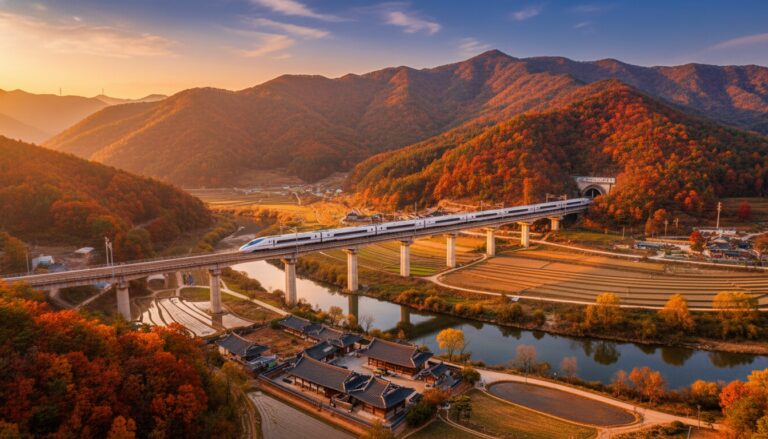
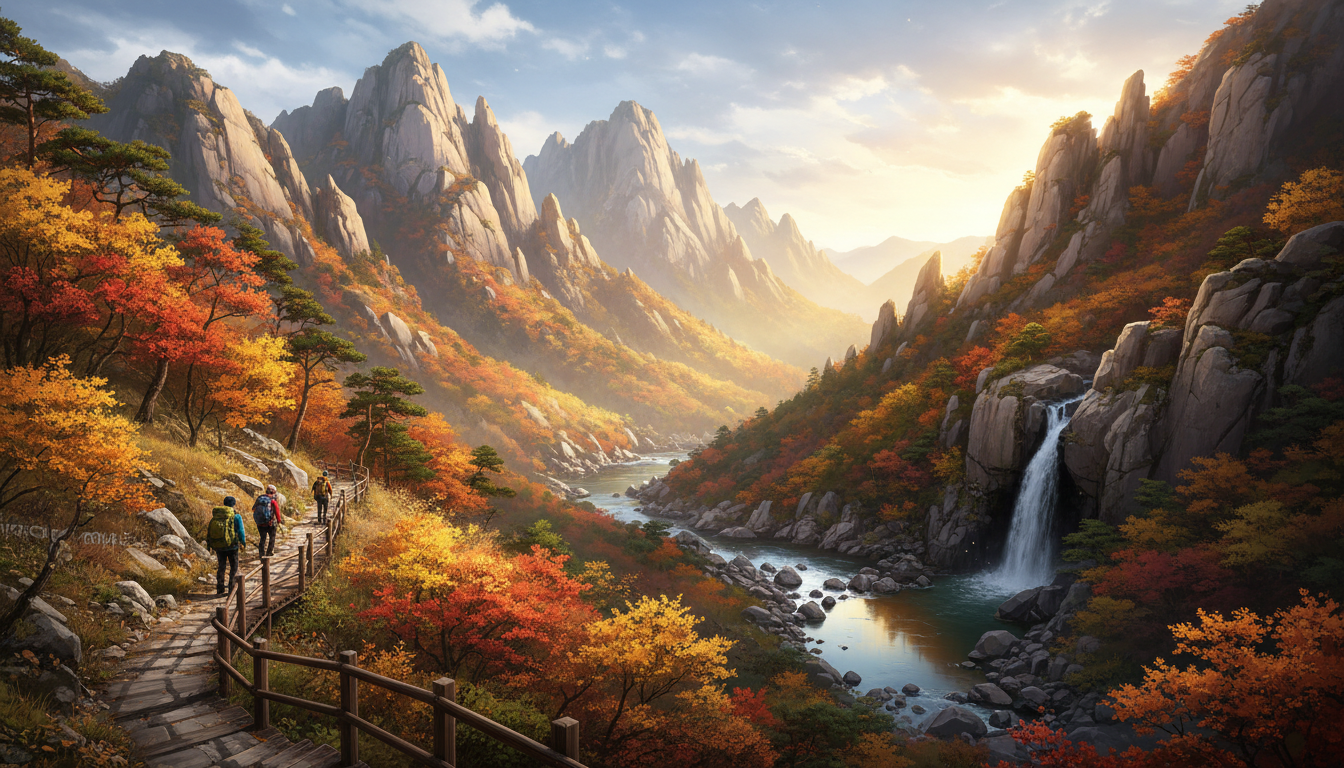
While the park is open year-round, the timing of your visit significantly impacts your experience. Autumn is arguably the most popular season, usually peaking in mid to late October. During this time, the slopes are ablaze with crimson and gold maple leaves, drawing thousands of visitors from across the globe.
Spring is another fantastic time to visit, as the mountain awakens with blooming azaleas and cherry blossoms. Summer offers lush greenery and cool waterfalls, though hikers should be prepared for humidity and occasional monsoon rains. Winter hiking is reserved for the well-prepared, offering a serene, snow-covered landscape that looks like a traditional ink wash painting.
Top Hiking Trails in Seoraksan
To help you plan your adventure, we have categorized the most iconic trails based on difficulty and scenery.
1. Ulsanbawi Rock Trail
The Ulsanbawi Rock trail is perhaps the most famous hike in the park. This intermediate route takes approximately 3 to 4 hours round-trip. The highlight is the final ascent up 800 steep steel stairs that lead to the summit of six massive granite peaks. From the top, you are rewarded with a panoramic view of the East Sea and the inner mountain ranges. It is an essential experience for anyone interested in Mount Seorak hiking.
2. Daecheongbong Peak
Standing at 1,708 meters, Daecheongbong is the highest point in Seoraksan. This is a strenuous full-day hike that requires significant stamina. There are several routes to the summit, with the Osaek trail being the shortest but steepest, and the Baekdam trail offering a longer, more scenic approach. Reaching the summit provides a profound sense of accomplishment and unparalleled views of the entire national park.
3. Biryong Falls and Towangseong Falls
For those seeking a less demanding but equally beautiful path, the Biryong Falls trail is ideal. This relatively flat walk takes you through a forested valley alongside a rushing stream. Recently, the park opened a staircase leading to an observatory for Towangseong Falls, one of the tallest waterfalls in Korea, which plunges down a sheer cliff face in three dramatic stages.
4. Dinosaur Ridge (Gongnyong Ridge)
Often cited as the most beautiful trail in South Korea, Dinosaur Ridge is strictly for expert hikers. The path follows a jagged ridgeline that resembles the back of a dinosaur. It involves constant elevation changes and rock scrambling. While exhausting, the views of the ‘inner’ and ‘outer’ Seorak areas from this vantage point are legendary.
Essential Preparation and Gear
Proper preparation is key to a safe and enjoyable hike. Even on shorter trails, the terrain can be rocky and uneven. Consider the following essentials:
- Sturdy Hiking Boots: Essential for ankle support on granite paths.
- Layered Clothing: Temperatures can drop significantly as you gain altitude.
- Hydration and Snacks: While there are small stalls near the park entrance, you should carry at least 2 liters of water for longer hikes.
- Trekking Poles: Highly recommended for the steep descents to protect your knees.
Cultural Highlights: Sinheungsa Temple
No trip to Mount Seorak is complete without visiting Sinheungsa Temple, located near the main entrance (Sogongwon). Before you begin your hike, you will encounter the Great Unification Buddha, a massive bronze statue standing over 14 meters tall. The temple complex offers a peaceful atmosphere to reflect before or after your trek.
How to Get There
Most visitors travel from Seoul to Sokcho, the gateway city to Seoraksan. Express buses run frequently from the Seoul Gyeongbu and Dong Seoul terminals, taking approximately 2.5 to 3 hours. From the Sokcho Intercity Bus Terminal, local bus 7 or 7-1 will take you directly to the park entrance in about 30 minutes.
Practical Tips for Hikers
To make the most of your Mount Seorak hiking trip, arrive early—especially during peak autumn season—to avoid the largest crowds. The park gates usually open at dawn. Additionally, check the official Korea National Park Service (KNPS) website for trail closures, as certain routes may be restricted during fire seasons (typically late autumn and spring).
Where to Stay and Eat
Sokcho offers a variety of accommodation options, from luxury hotels to traditional guesthouses. After a long day of hiking, head to the Sokcho Tourist & Fishery Market to sample local delicacies like Dakgangjeong (sweet and spicy fried chicken) or fresh seafood caught right from the East Sea. Many hikers also enjoy a bowl of Sanchae Bibimbap (wild vegetable rice bowl) at the restaurants near the park entrance.
Conclusion
Mount Seorak is more than just a mountain; it is a symbol of Korea’s natural grandeur and cultural heritage. Whether you are conquering the heights of Daecheongbong or enjoying a leisurely stroll to a waterfall, the memories of your Mount Seorak hiking adventure will stay with you long after you have left the trails. Plan your journey today and experience the magic of Korea’s most beloved peaks.