


The Demilitarized Zone (DMZ) stands as one of the most unique and historically significant sites in the world. Situated just a short drive from the bustling streets of Seoul, this 250-kilometer-long buffer zone between North and South Korea offers visitors a rare glimpse into the complex geopolitical history of the Korean Peninsula.
For travelers visiting South Korea, a DMZ tour is often at the top of the itinerary. It provides an educational and sobering experience that contrasts sharply with the modern skyscrapers and ancient palaces found within Seoul. Understanding the nuances of these tours is essential for a smooth and respectful visit.
Understanding the DMZ and JSA
It is important to distinguish between a standard DMZ tour and a Joint Security Area (JSA) tour. While both offer profound insights, they provide different levels of access and require different security clearances. Most general tours focus on the DMZ landmarks located on the South Korean side.
The Demilitarized Zone (DMZ)
The DMZ is a strip of land running across the Korean Peninsula that serves as a buffer zone between the two nations. Established in 1953 following the Korean Armistice Agreement, it is currently one of the most heavily fortified borders in existence, yet it has ironically become a sanctuary for diverse wildlife.
The Joint Security Area (JSA)
The JSA, also known as Panmunjom, is the only portion of the DMZ where North and South Korean forces stand face-to-face. This is where diplomatic negotiations take place. Access to the JSA is strictly regulated and often subject to sudden closures based on the current political climate.
Top Highlights of a DMZ Tour
A typical full-day or half-day tour from Seoul includes several key locations that tell the story of the division. These sites are managed by the military and require guided supervision at all times.
The Third Infiltration Tunnel
Discovered in 1978, the Third Infiltration Tunnel is one of four known tunnels dug by North Korea under the border. Visitors can walk through a portion of this narrow, damp tunnel, which was designed to facilitate a surprise attack on Seoul. It is a physically demanding but fascinating part of the tour.
Dora Observatory
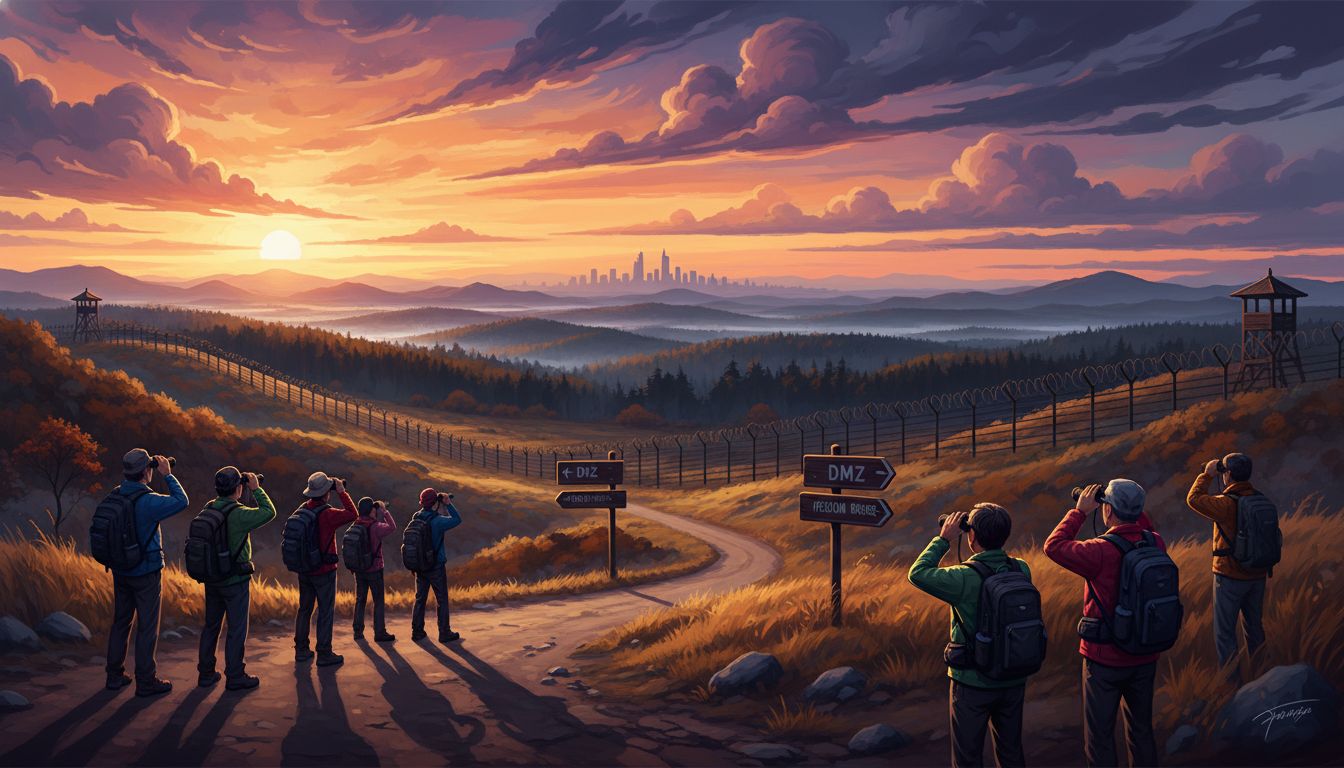
Located on top of Mount Dora, the Dora Observatory provides the closest view of North Korea possible for civilians. Through high-powered binoculars, visitors can see the North Korean propaganda village of Kijong-dong, the city of Kaesong, and even statues of former leaders on clear days.
Dorasan Station
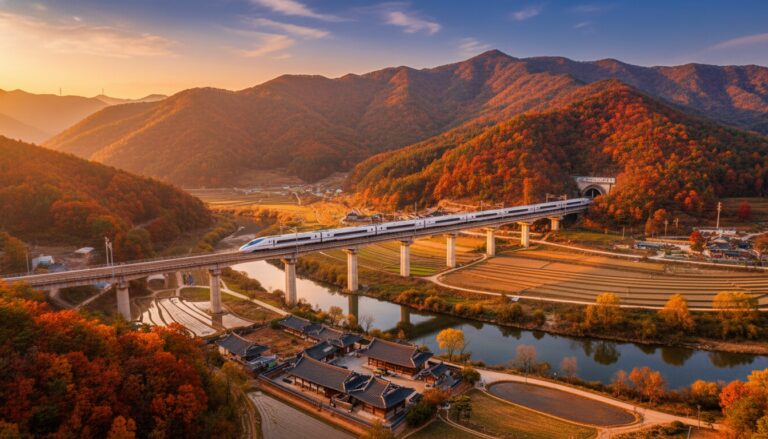
Dorasan Station is the northernmost stop on South Korea’s railway line. Although it is not currently in use for cross-border travel, it stands as a powerful symbol of hope for future reunification. The station is pristine and modern, waiting for the day trains might once again travel to Pyongyang and beyond.
Imjingak Park
Imjingak Park is often the first stop on the tour. It features various monuments, including the Bridge of Freedom, which was used by prisoners of war returning from the North. The park also houses the Mangbaedan Altar, where Koreans separated from their families in the North perform ancestral rites.
Essential Tips for Visitors
Visiting the DMZ requires adherence to strict protocols. Always carry your physical passport, as military checkpoints will verify your identity several times throughout the journey. Digital copies or photos of your passport are generally not accepted.
There is a specific dress code for certain parts of the tour, particularly the JSA. Visitors are advised to avoid ripped jeans, camouflage patterns, sleeveless tops, and flip-flops. Dressing conservatively shows respect for the gravity of the location.
Photography is highly restricted. Your guide will explicitly state when and where you are allowed to take photos. Pointing or gesturing toward the North Korean side is also strictly forbidden to avoid any potential provocations or misunderstandings.
Booking Your Tour
Due to high demand and limited daily quotas, it is recommended to book your DMZ tour at least several weeks in advance. Most tours depart from central Seoul locations like Myeongdong or Seoul Station early in the morning.
- Half-Day Tours: Focus on the Third Tunnel, Dora Observatory, and Imjingak.
- Full-Day Tours: Often include additional sites or a visit to the JSA (when available).
- Private Tours: Offer a more personalized experience with flexible timing.
Best Time to Visit
Spring (April to June) and Autumn (September to November) offer the best weather conditions for a DMZ tour. Clear skies during these months provide the best visibility at the Dora Observatory. Winters can be extremely cold, while summer brings heavy rains and humidity.
Getting to the Meeting Point in Seoul
Most tour operators coordinate pickups at major subway stations. Common meeting points include Myeongdong Station Exit 2 or Seoul Station. It is vital to arrive at least 15 minutes early, as these tours operate on a very strict military schedule.
What to Bring
Aside from your passport, it is wise to bring comfortable walking shoes, especially for the Third Tunnel. A small bottle of water and some light snacks are also recommended, though most tours will have a scheduled lunch break at a local restaurant.
Conclusion
A DMZ tour from Seoul is more than just a tourist excursion; it is a profound journey into the heart of a divided nation. By visiting these historical sites, travelers gain a deeper understanding of the resilience of the Korean people and the ongoing quest for peace on the peninsula.