Understanding South Korea’s Seasonal Dynamics
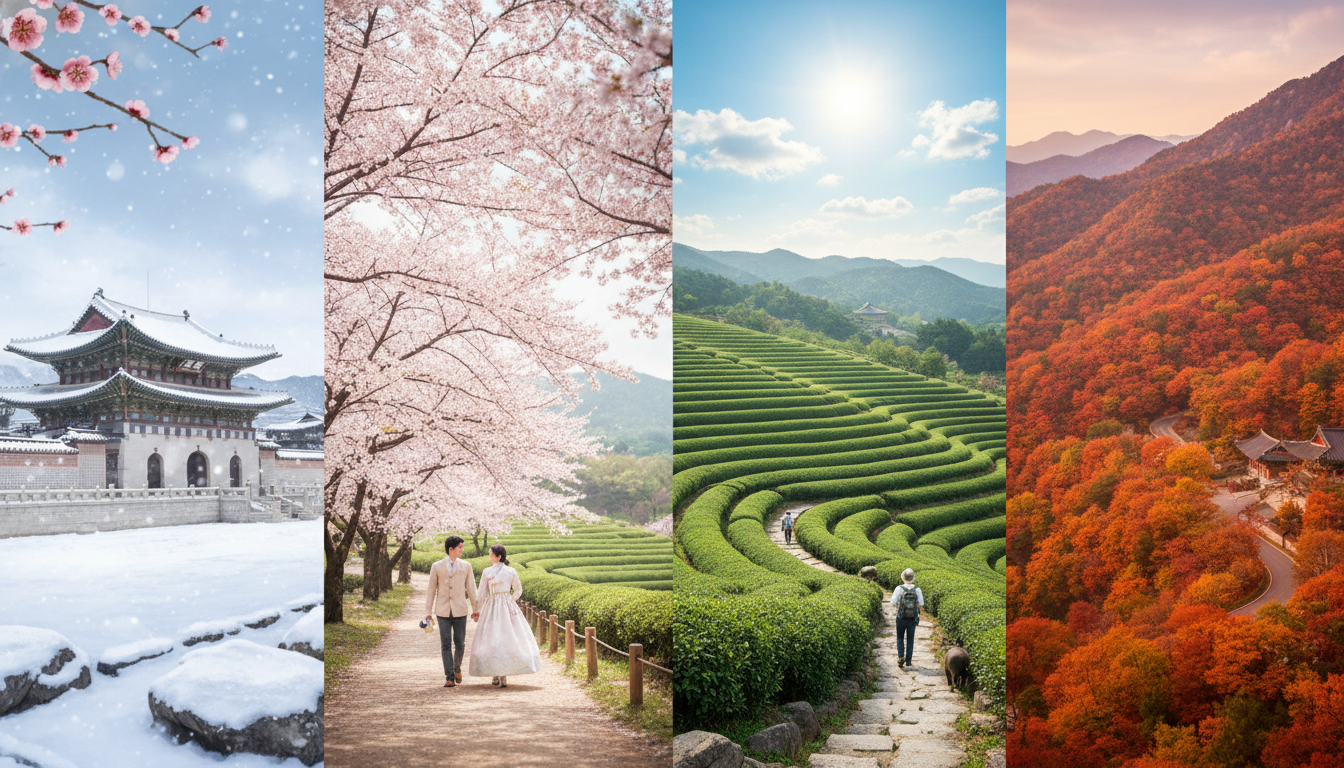
South Korea is a country that truly experiences four distinct seasons, each offering a unique set of experiences for travelers. From the delicate pink hues of spring cherry blossoms to the crisp, snowy landscapes of winter, the best time to visit depends heavily on your personal interests and the activities you wish to pursue.
Spring (March to May): The Season of Blossoms
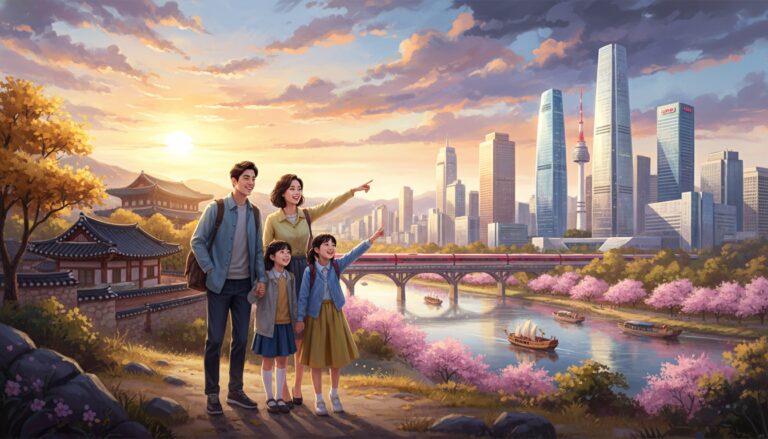
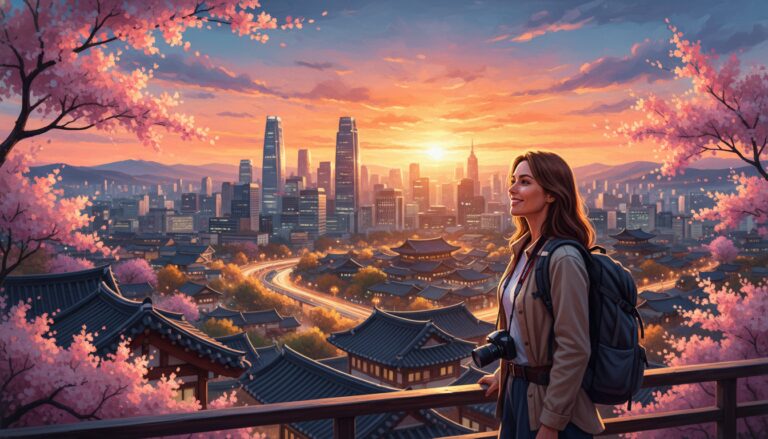
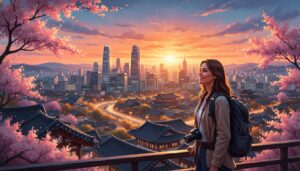
Spring is widely considered the most beautiful time to visit Korea. As the winter chill fades, the entire country transforms into a floral paradise. The weather is generally mild and pleasant, making it ideal for walking tours and exploring the bustling streets of Seoul.
Cherry Blossom Forecasts: The cherry blossom season is the highlight of spring, usually starting in late March on Jeju Island and moving north to Seoul by early April. Travelers should monitor bloom forecasts closely as the peak beauty lasts only about a week.
- Yeouido Spring Flower Festival: One of Seoul’s most famous spots for blossom viewing along the Han River.
- Jinhae Gunhangje: The largest cherry blossom festival in the country, featuring millions of trees.
- Gyeongju: A historic city where ancient tumuli are surrounded by pink petals.
Summer (June to August): Heat, Humidity, and Festivals
Summer in South Korea can be quite intense, with high temperatures and significant humidity. This period also coincides with the ‘jangma’ or monsoon season, which typically occurs in July. Despite the rain, summer is a time of high energy and vibrant outdoor festivals.
Coastal Escapes: To escape the urban heat, many locals and tourists head to the beaches of Busan or the emerald waters of Jeju Island. The coastal breeze provides much-needed relief, and the sea temperatures are perfect for swimming.
Autumn (September to November): The Best Weather for Exploration
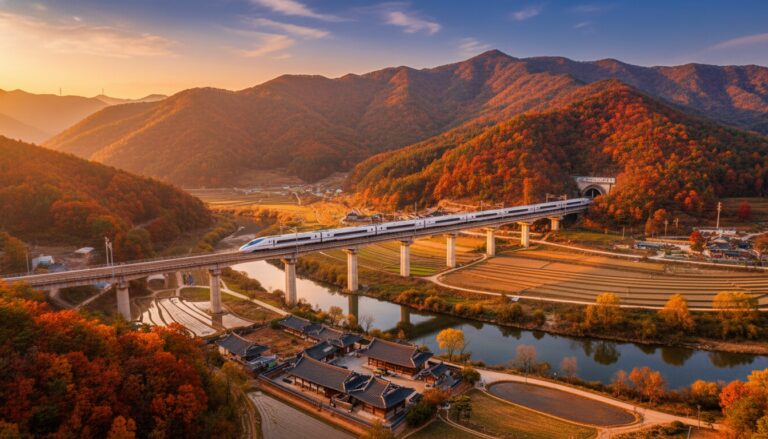
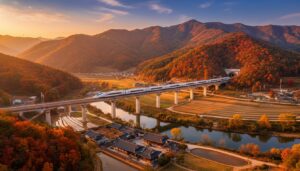
Many seasoned travelers argue that autumn is the absolute best time to visit Korea. The air becomes crisp and dry, the skies are a deep blue, and the humidity of summer vanishes. This season is famous for its stunning autumn foliage, which paints the mountains in shades of crimson and gold.
Hiking in National Parks: This is the peak season for hiking. Destinations like Seoraksan National Park and Naejangsan National Park become exceptionally popular as visitors flock to see some of the most spectacular fall colors in East Asia.
Winter (December to February): A Wonderland for Skiers
Winter in Korea is cold and dry, influenced by Siberian high-pressure systems. While the temperatures can drop well below freezing, it is a fantastic time for budget travelers and winter sports enthusiasts who want to avoid the massive crowds of spring and autumn.
Winter Sports and Festivals: South Korea offers world-class ski resorts, particularly in Gangwon-do province. Additionally, unique events like the Hwacheon Sancheoneo Ice Festival allow visitors to try ice fishing and sledding in a festive environment.
Key Cultural Holidays to Note
When planning your trip, it is vital to be aware of the two major lunar holidays: Seollal (Lunar New Year) and Chuseok (Korean Thanksgiving). These dates change every year based on the lunar calendar.
Traveling During Chuseok and Seollal
During these holidays, millions of Koreans travel to their hometowns. This results in fully booked trains, buses, and flights, as well as heavy traffic on highways. While many shops in the city might close for a few days, traditional palaces often stay open and offer free admission or cultural activities.
The Best Time for Budget Travelers
If you are looking to save money, the best time to visit is during the shoulder seasons. Late February, just before the spring rush, or late November, after the autumn foliage has peaked, often see lower prices for accommodations and international flights.
Avoiding the Peak Crowds
To avoid the heaviest crowds, try to visit during the weekdays rather than weekends, especially at popular spots like Nami Island or the Bukchon Hanok Village. Early morning visits are also highly recommended to experience these sites in tranquility.
Regional Climate Differences
While South Korea is relatively small, there are regional differences to consider. The southern regions, including Busan and Jeju Island, are significantly warmer than Seoul and the northern mountainous provinces.
Visiting Jeju Island
Jeju Island has a semi-tropical climate. It is the first place to welcome spring flowers and remains relatively mild during the winter. However, it can be quite windy, so packing a windbreaker is essential regardless of the season.
Packing Essentials for Every Season
Because the weather varies so much, packing the right gear is essential. Layering is the most effective strategy for the transitional seasons of spring and autumn. For winter, high-quality thermal layers and a heavy padded coat are non-negotiable.
Footwear and Comfort
Given the amount of walking involved in exploring Korean cities and national parks, comfortable walking shoes or hiking boots are a must. In summer, waterproof shoes or sandals are helpful for navigating the occasional monsoon downpour.
The Best Time for Foodies
Korean cuisine is deeply seasonal. Spring is the time for fresh mountain herbs and greens. Summer is famous for cold dishes like Naengmyeon (cold buckwheat noodles) and Samgyetang (ginseng chicken soup) to combat the heat. Autumn brings a bounty of fruits and grains, while winter is the perfect time to enjoy hot street snacks like Hotteok (sweet pancakes).
Final Recommendations
For the best overall experience of weather and scenery, aim for April to May or October to November. These windows provide the most comfortable temperatures and the most visually stunning landscapes. Always check the local calendar for public holidays to ensure a smooth and enjoyable journey through the Land of the Morning Calm.