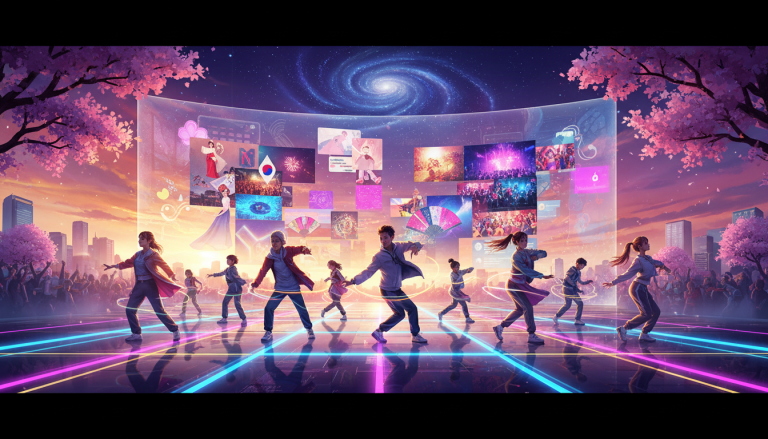


The global ascent of K-pop is not a matter of chance; it is the result of a highly sophisticated and rigorous industrial process known as the K-pop training system. This system, which has become a cornerstone of South Korean cultural exports, involves years of preparation, significant financial investment, and a level of discipline that is often compared to military training. Understanding this system is key to understanding the perfectionism seen in groups like BTS, BLACKPINK, and TWICE.
The Origins and Evolution of the Idol Factory
The modern K-pop training model was pioneered in the 1990s by Lee Soo-man, the founder of SM Entertainment. Inspired by the Western pop systems of the 1960s but infused with Korean work ethics, he created a ‘cultural technology’ manual. This blueprint outlines every step of an idol’s journey, from recruitment to global stardom. Today, this system has evolved into a multi-billion dollar industry that attracts talent from every corner of the globe.
1. The Global Audition Phenomenon
Every year, hundreds of thousands of hopefuls participate in global auditions held by companies like HYBE, YG, and JYP. The competition is staggering; the acceptance rate for major labels is often lower than that of Ivy League universities. Fact: Some auditions attract over 50,000 applicants for a single trainee spot, highlighting the immense prestige associated with the industry.
2. Starting at a Young Age
The training process typically begins in early adolescence. Many trainees enter the system between the ages of 10 and 14. This allows the company to mold their skills and personality during their most formative years. Fact: Some idols, like G-Dragon, trained for over a decade before finally making their official debut.
3. The ‘Trainee Debt’ System
Unlike Western labels, K-pop companies usually cover all costs for housing, food, and lessons. However, these expenses are often recorded as a debt that the idol must pay back from their future earnings. Fact: It can take years after a successful debut for an idol to see their first paycheck, as they must first ‘break even’ with the company.
Daily Life and Discipline in the Dorms
Once a trainee is signed, their life changes overnight. Most move into company-provided dormitories where they live with other trainees. This environment fosters teamwork but also creates a high-pressure, competitive atmosphere where every move is monitored.
4. 18-Hour Workdays
A typical day for a trainee starts early and ends well past midnight. They must balance regular schooling with intensive classes in dance, vocals, and rap. Fact: It is common for trainees to practice dance routines for 8 to 10 hours straight to achieve the ‘knife-like’ synchronization K-pop is famous for.
5. Strict Dietary Restrictions
Physical appearance is a critical component of the K-pop brand. Trainees are often subjected to weekly weigh-ins and strict diets. Fact: The ‘paper cup diet,’ where all food must fit into a small disposable cup, is a well-known (though controversial) example of the extreme measures taken to maintain a specific aesthetic.
6. The Infamous Dating Ban
To ensure total focus and maintain a ‘pure’ image for fans, many companies include a dating ban in their contracts. Fact: These bans can last anywhere from three to five years after debut, and breaking them can lead to contract termination or public scandals.
The Comprehensive Curriculum
The training isn’t just about singing and dancing; it is a holistic approach to stardom. Companies aim to create ‘all-rounders’ who can excel in various entertainment fields.
7. Mandatory Foreign Language Lessons
To facilitate global expansion, trainees are required to learn foreign languages. Japanese and Chinese were traditionally the focus, but English and Spanish have become increasingly important. Fact: Many idols are now fluent in three or more languages by the time they debut.
8. Media Training and Etiquette
Trainees undergo ‘personality training’ and media coaching. They are taught how to handle difficult interview questions, how to bow correctly, and how to maintain a positive public persona. Fact: Companies often conduct mock interviews to prepare trainees for the intense scrutiny of the Korean press.
9. Monthly Evaluations
The most stressful part of a trainee’s life is the monthly evaluation. Trainees must perform in front of company executives who provide blunt feedback. Fact: These evaluations determine who stays in the program and who is sent home, making every month a battle for survival.
The Financial and Psychological Cost
While the rewards of stardom are high, the risks are equally significant. The system has faced criticism for its impact on the mental and physical health of young performers.
10. The Investment per Idol
It is estimated that a company spends approximately $100,000 to $150,000 per year on a single trainee. Fact: For a group of seven members training for three years, the total investment can exceed $2 million before they even release a single song.
11. Mental Health Challenges
The isolation from family and the constant pressure to perform can lead to burnout and anxiety. Fact: In recent years, there has been a growing movement within the industry to provide better mental health support and counseling for both trainees and debuted idols.
12. The Risk of Never Debuting
Despite years of sacrifice, there is no guarantee of success. Many trainees are released from their contracts without ever making it to the stage. Fact: Only about 10% of trainees eventually debut in a group, and even fewer achieve commercial success.
Cultural Impact and the Global Future
The K-pop training system is now being exported. Companies are applying these methods to local talent in the US, Japan, and Southeast Asia, creating a new era of ‘Global K-pop.’
13. Soft Power and Diplomacy
The success of the training system has turned K-pop into a tool of South Korean soft power. Fact: The government actively supports the industry through the Ministry of Culture, Sports, and Tourism, recognizing its role in boosting tourism and national prestige.
14. The Evolution of ‘Slave Contracts’
In the past, idols were often tied to 10-13 year ‘slave contracts.’ However, following legal battles, the Fair Trade Commission standardized contracts to a maximum of 7 years. Fact: This change has given idols more leverage to negotiate or leave their companies after their initial term ends.
In conclusion, the K-pop training system is a complex blend of artistic discipline, corporate strategy, and cultural values. While it is often criticized for its intensity, it remains the most effective system in the world for producing high-caliber entertainers who resonate with a global audience. As the industry continues to evolve, the challenge will be balancing this legendary efficiency with the well-being of the young artists at its heart.