

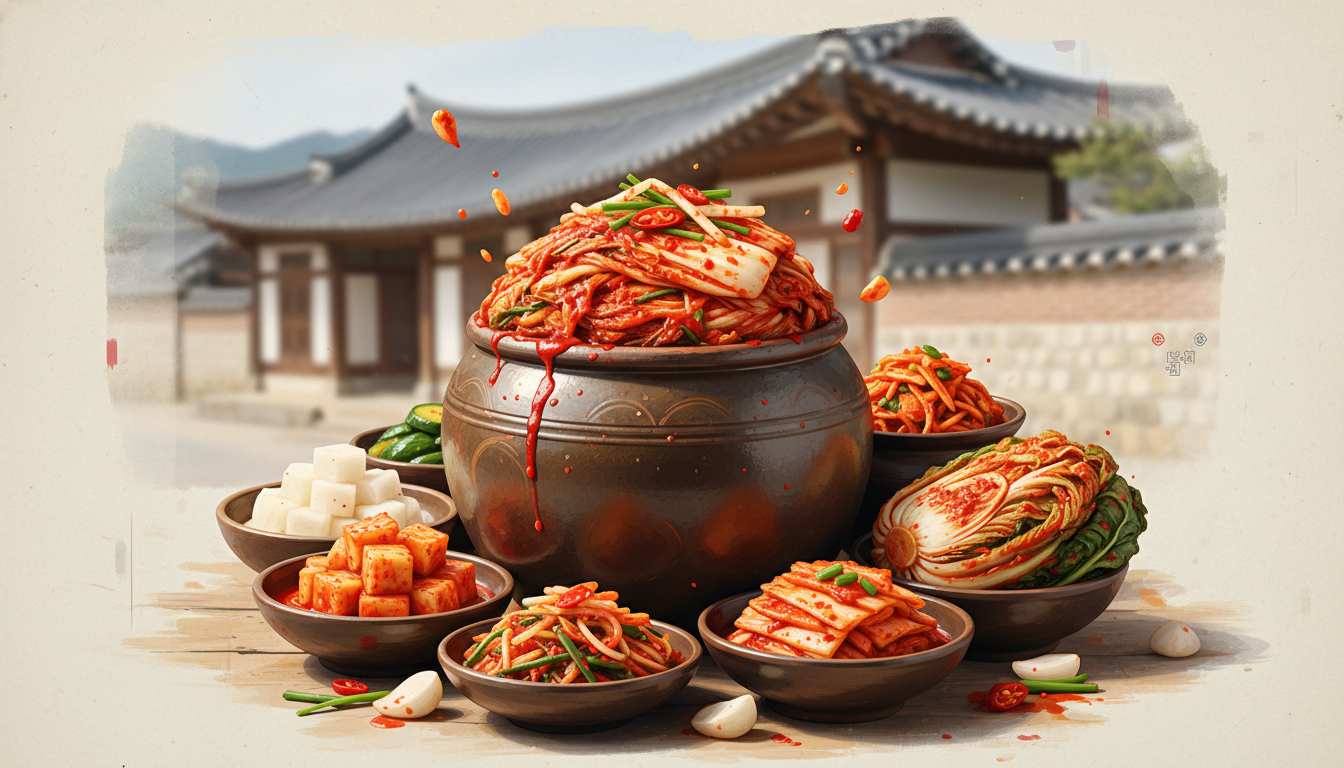
Kimchi is far more than just a side dish; it is the beating heart of Korean culinary identity and a symbol of the nation’s cultural resilience. For thousands of years, this fermented vegetable dish has sustained the Korean people through harsh winters and changing dynasties, evolving from a simple preservation method into a complex art form celebrated globally. In this article, we delve into 22 fascinating facts that highlight the importance of Kimchi in the Korean cultural world.
The Historical Roots of Kimchi
The history of Kimchi dates back over 2,000 years, with its origins rooted in the Three Kingdoms period. Initially, Kimchi was not the spicy red dish we recognize today; it was primarily made of salted vegetables to ensure a supply of nutrients during the winter months when fresh produce was unavailable. The introduction of red chili peppers from the Americas in the 16th century revolutionized the recipe, leading to the fiery, flavorful version that is now a global sensation.
A UNESCO Cultural Treasure
One of the most significant recognitions of Kimchi’s cultural value occurred in 2013 when Kimjang, the traditional process of making and sharing Kimchi, was inscribed on the UNESCO Representative List of the Intangible Cultural Heritage of Humanity. This tradition emphasizes the importance of community and family, as neighbors and relatives gather to prepare large quantities of Kimchi for the upcoming winter, fostering a sense of social cohesion and belonging.
Scientific and Health Marvels
Kimchi is widely regarded as one of the healthiest foods in the world. The fermentation process produces Lactobacillus, a beneficial probiotic bacteria that promotes gut health and strengthens the immune system. Additionally, Kimchi is packed with essential vitamins like A, B, and C, and is rich in fiber while remaining low in calories. It is no wonder that many Koreans credit their longevity and skin health to their daily consumption of this superfood.
The Diversity of Kimchi Varieties
While cabbage (Baechu) Kimchi is the most famous, there are actually over 200 documented varieties of Kimchi in Korea. These variations depend on the region, the season, and the specific ingredients available. For example, Kkakdugi is made from cubed radish, Oi Sobagi uses cucumber, and Nabak Kimchi is a watery, refreshing version often served during the spring. Each variety offers a unique flavor profile, ranging from sharp and spicy to mild and sweet.
22 Fascinating Facts About Kimchi
- 1. National Dish: Kimchi is officially recognized as the national dish of South Korea, served with almost every meal.
- 2. Ancient Origins: Historical records suggest that salted vegetables were consumed in Korea as early as the Goryeo Dynasty.
- 3. The Spicy Evolution: Chili peppers were only added to Kimchi in the late Joseon Dynasty, changing its color and flavor profile forever.
- 4. Kimjang Tradition: The collective practice of making Kimchi is a vital part of Korean social identity.
- 5. Kimchi Refrigerators: Most Korean households own a specialized refrigerator designed specifically to maintain the perfect fermentation temperature for Kimchi.
- 6. Space Food: In 2008, Korea’s first astronaut, Yi So-yeon, took a specially formulated ‘space kimchi’ to the International Space Station.
- 7. The Kimchi Museum: Seoul is home to Kimchikan, a museum dedicated entirely to the history and science of Kimchi.
- 8. Probiotic Power: A single serving of Kimchi contains billions of healthy bacteria that aid digestion.
- 9. Seasonal Ingredients: Traditional Kimchi recipes change with the seasons, utilizing whatever vegetables are freshest.
- 10. Regional Differences: Southern regions typically use more salt and fermented fish sauce to preserve Kimchi in warmer temperatures.
- 11. Low Calorie Content: Kimchi is an excellent diet food, as it is high in nutrients but very low in fat.
- 12. Symbol of Perseverance: During the Korean War, Kimchi was a vital food source that helped the population survive under difficult conditions.
- 13. Say ‘Kimchi’ for Photos: Instead of saying ‘cheese,’ Koreans say ‘Kimchi’ when posing for photos to create a natural smile.
- 14. Versatile Cooking Ingredient: Kimchi is used in stews (Kimchi Jjigae), pancakes (Kimchi-jeon), and even fried rice.
- 15. Economic Impact: The Kimchi industry is a multi-billion dollar sector, with exports reaching over 80 countries.
- 16. Fermentation Duration: Some Kimchi, known as ‘Mueun-ji,’ is aged for several years to develop a deep, sour flavor.
- 17. Anti-Aging Properties: The antioxidants in Kimchi help fight oxidative stress, potentially slowing the aging process.
- 18. Cultural Diplomacy: Kimchi is often used as a tool for ‘Gastro-diplomacy’ to promote Korean culture worldwide.
- 19. No Waste Philosophy: Every part of the vegetable is used in Kimchi making, reflecting a traditional respect for food.
- 20. Immunity Booster: During the SARS and COVID-19 outbreaks, Kimchi consumption saw a surge due to its reputation for boosting immunity.
- 21. Global Fusion: Modern chefs are incorporating Kimchi into burgers, tacos, and pizzas, creating a global fusion trend.
- 22. Psychological Comfort: For Koreans living abroad, Kimchi is often cited as the food they miss most, representing a ‘taste of home.’
The Role of Kimchi in Modern Society
In contemporary Korea, the tradition of Kimchi remains as strong as ever, though it has adapted to modern lifestyles. While urban families may no longer make hundreds of heads of cabbage during Kimjang, the spirit of sharing remains. Many young Koreans buy high-quality Kimchi from artisanal producers, yet they still appreciate the ‘Son-mat’ (taste of the hands) that comes from homemade versions. The rise of K-dramas and K-pop has also played a significant role in introducing Kimchi to a younger, international audience, making it a trendy health food in cities from New York to London.
Conclusion
Kimchi is a testament to the ingenuity and spirit of the Korean people. It is a dish that bridges the gap between the past and the future, combining ancient preservation techniques with modern health science. Whether you are enjoying it for its spicy kick, its probiotic benefits, or its rich cultural history, Kimchi stands as a shining example of how food can define a nation. As we have seen through these 22 facts, Kimchi is not just a meal; it is a living legacy that continues to ferment and flourish in the hearts of people around the world.