
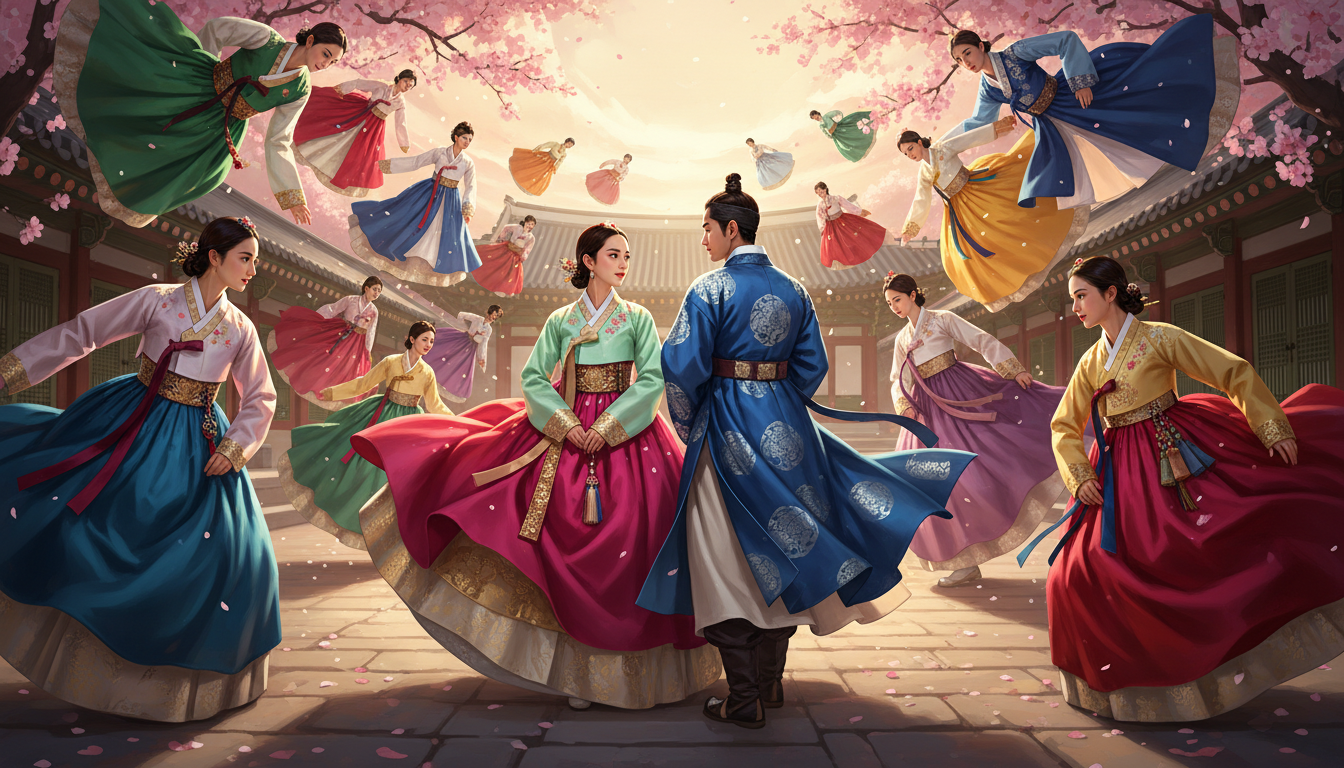
The Legacy of Hanbok: A Cultural Masterpiece
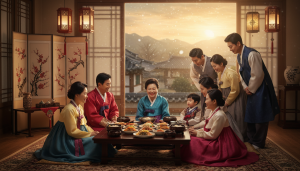
The Hanbok is the traditional attire of the Korean people, a garment that has preserved its fundamental structure for over 1,600 years. Known for its vibrant colors, elegant curves, and minimalist lines, the Hanbok is far more than just a costume; it is a visual representation of Korean history and the philosophical values of the people. While it was once daily wear, it is now primarily reserved for special occasions like weddings, lunar new year celebrations (Seollal), and harvest festivals (Chuseok). Understanding the Hanbok requires looking beyond the fabric to the deep-seated symbolism embedded in every stitch and fold.
1. Ancient Origins in the Three Kingdoms Period
The roots of the Hanbok can be traced back to the Three Kingdoms Period (57 BCE – 668 CE), specifically the Goguryeo, Baekje, and Silla kingdoms. Murals found in Goguryeo tombs depict figures wearing garments that closely resemble the modern Hanbok structure, consisting of a top and a bottom. These early designs were influenced by the nomadic cultures of Northern Asia, prioritizing ease of movement for riding horses and performing daily tasks, which established the foundational silhouette we recognize today.
2. The Philosophy of Obangsaek
One of the most striking features of Hanbok is its use of color, which is rooted in the Obangsaek philosophy. This traditional Korean color spectrum consists of five cardinal colors: white, black, red, blue, and yellow. Each color represents an element (metal, water, fire, wood, and earth) and a cardinal direction. Historically, these colors were used strategically to indicate social status, marital status, and to ward off evil spirits, making the choice of fabric color a deeply symbolic decision.
3. The Absence of Pockets
A unique practical fact about traditional Hanbok is that it does not have pockets. Because the garments were designed with fluid lines and voluminous shapes, adding pockets would have disrupted the aesthetic flow. Instead, Koreans carried small, embroidered silk pouches known as bokjumeoni (lucky pouches) tied to the waist or held in the hand. These pouches were believed to bring good fortune to the wearer and served as both a functional tool and a decorative accessory.
4. The Structural Components: Jeogori, Chima, and Baji
The basic structure of the Hanbok differs for men and women. For women, it consists of the Jeogori (a short jacket) and the Chima (a full, high-waisted skirt). For men, it includes the Jeogori and Baji (baggy trousers). The design emphasizes a ‘top-small, bottom-large’ silhouette, which creates a sense of grace and movement. The high waistline of the Chima is particularly notable, as it hides the lower body’s shape, reflecting the Confucian values of modesty and elegance that dominated the Joseon Dynasty.
5. The Importance of the Otgoreum
The Otgoreum is the long ribbon or bow tied on the front of the Jeogori. Tying the Otgoreum correctly is considered an art form and a sign of a well-mannered person. It serves both a functional purpose, keeping the jacket closed, and an aesthetic one, adding a vertical line that contrasts with the horizontal curves of the sleeves. The length and width of the Otgoreum have changed over centuries, reflecting shifting fashion trends throughout Korean history.
6. Dongjeong: The Protective White Collar
At the neck of the Jeogori is a stiff, white removable collar called the Dongjeong. Its primary purpose is to protect the neckline of the garment from wear and sweat, but it also serves a visual function by framing the face and providing a crisp, clean contrast to the colorful silk. Historically, the Dongjeong was easily replaceable, allowing the wearer to keep the Hanbok looking fresh and sharp without washing the entire heavy garment frequently.
7. Fabric Choices and Seasonal Adaptations
Traditional Hanbok was meticulously crafted to suit Korea’s distinct four seasons. In the scorching summer months, Hanbok was made from lightweight, breathable materials like ramie or hemp, which allowed for maximum air circulation. In the freezing winters, silk was layered with cotton padding or lined with fur to provide insulation. This adaptability showcases the practical ingenuity of Korean ancestors in balancing aesthetic beauty with environmental necessity.
8. The Symbolism of Patterns
Patterns on a Hanbok were never purely decorative; they carried specific wishes for the wearer. For instance, peonies symbolized wealth and honor, while dragons and phoenixes were reserved for royalty to signify power and authority. Commoners often wore patterns of bats (symbolizing luck) or cranes (symbolizing longevity). These motifs were often embroidered or stamped with gold leaf (geumbak) to add a layer of luxury and meaning to the attire.
9. Social Status and the ‘White-Clad People’
While the nobility (yangban) wore Hanbok made of high-quality silk in bright colors, commoners were often restricted by law and economic status to wearing plain white or earth-toned cotton. This led to Koreans being known as the ‘White-Clad People’ (Baegui-minjok). White symbolized purity, integrity, and a humble spirit. It wasn’t until the late 19th century that color restrictions were relaxed, allowing more people to enjoy the vibrant hues previously reserved for the elite.
10. Ceremonial Variations: The Hwarot
For special life events like weddings, a more elaborate version of the Hanbok called the Hwarot was worn. Originally restricted to the royal court, it eventually became accessible to commoners for their wedding day. The Hwarot is a magnificent overcoat featuring intricate embroidery of flowers and butterflies, symbolizing a happy and prosperous marriage. It is often paired with a decorative headpiece called a jokduri, creating a look of regal sophistication.
11. The First Birthday Hanbok (Dol-bok)
A child’s first birthday, or Doljanchi, is a major milestone in Korean culture, and the Dol-bok is the special Hanbok worn for this occasion. These outfits are exceptionally colorful to ward off bad luck. Boys often wear a hogeon (tiger hat) to represent bravery, while girls wear a gulle (decorative cap). The vibrant colors and patterns are intended to bless the child with a long, healthy, and successful life.
12. The Role of Beoseon and Kkotsin
No Hanbok ensemble is complete without traditional footwear. Beoseon are white fabric socks that have a distinct pointed toe, designed to complement the curves of the Hanbok. These are worn with Kkotsin, which are silk shoes embroidered with flower patterns. The combination of the voluminous skirt and the delicate pointed shoes creates a visual effect of floating when the wearer walks, a hallmark of traditional Korean dance and etiquette.
13. Hanbok in the Joseon Dynasty
The Joseon Dynasty (1392–1910) is considered the golden age of the Hanbok. During this period, the garment underwent significant changes in length and volume. The Jeogori for women became shorter and tighter, while the Chima became fuller. This era also saw the strict categorization of Hanbok based on rank, with specific colors like yellow being reserved exclusively for the Emperor, and red for the Crown Prince.
14. Hair Accessories: Binyeo and Daenggi
Traditional hairstyles were an integral part of the Hanbok look. Married women used a Binyeo, a long ornamental hairpin, to fasten their hair in a bun. The material of the Binyeo (gold, silver, jade, or wood) indicated the wearer’s status. Unmarried women wore their hair in a long braid tied with a Daenggi, a large decorative ribbon. These accessories provided the finishing touches to the silhouette, ensuring a balanced aesthetic from head to toe.
15. The Gwanmo: Traditional Hats for Men
Men’s Hanbok was often defined by the Gwanmo (hat). The most famous is the Gat, a cylindrical hat made of horsehair with a wide brim. The Gat was a symbol of a scholar and a gentleman; it was not just a fashion choice but a mark of education and social standing. Different styles of hats existed for different occasions, including indoor caps for studying and elaborate crowns for court officials.
16. Modern Evolution: The Saenghwal Hanbok
In the late 20th century, the Saenghwal Hanbok (modernized Hanbok) emerged as a way to make the traditional dress more practical for daily life. These designs use modern fabrics like denim or linen and feature shorter skirts and simplified ties. Modernized Hanbok maintains the essential aesthetic of the traditional version while offering the comfort and convenience required for contemporary urban living.
17. K-Pop and the Global Resurgence
The global popularity of K-pop has triggered a massive revival of interest in the Hanbok. Groups like Blackpink and BTS have famously worn modernized Hanbok in their music videos and performances, blending traditional elements with street-style aesthetics. This ‘Hanbok Wave’ has introduced the garment to a younger, international audience, proving that traditional culture can be incredibly trendy and relevant in the 21st century.
18. Hanbok in K-Dramas (Sageuk)
Historical K-dramas, known as Sageuk, have played a crucial role in preserving the visual history of the Hanbok. Shows like ‘Dae Jang Geum’ and ‘The King’s Affection’ showcase the stunning diversity of royal and commoner attire. Costume designers for these shows often spend months researching historical texts to ensure the Hanbok is portrayed accurately, further cementing the garment’s status as a cultural icon.
19. Hanbok Day: October 21st
To promote the beauty and cultural value of the Hanbok, the South Korean government designated October 21st as Hanbok Day in 1996. On this day, various fashion shows, exhibitions, and events are held across the country. Many Koreans and tourists take the opportunity to wear Hanbok while visiting traditional sites like Gyeongbokgung Palace, where admission is often free for those dressed in the traditional attire.
20. Sustainability and Ethical Fashion
The Hanbok is inherently a form of slow fashion. Traditionally made by hand with natural dyes and durable fabrics, a single Hanbok was designed to last for decades and was often passed down through generations. In an era of fast fashion, the Hanbok stands as a testament to sustainable craftsmanship, emphasizing quality over quantity and a deep respect for the materials provided by nature.
21. UNESCO Intangible Cultural Heritage
The skills involved in making Hanbok, particularly the art of Chimseon (traditional needlework), are recognized as important cultural assets. Efforts are ongoing to have Hanbok culture officially recognized by UNESCO as an Intangible Cultural Heritage of Humanity. This recognition would celebrate not just the physical garment, but the lifestyle, etiquette, and communal spirit that the Hanbok represents in Korean society.
Conclusion: A Living Tradition
The Hanbok is a remarkable example of how a traditional garment can evolve without losing its soul. From the tombs of Goguryeo to the stages of global music festivals, it remains a powerful symbol of Korean identity. By blending tradition with innovation, the Hanbok continues to inspire designers and fashion enthusiasts worldwide, ensuring that this ‘garment of the wind’ will continue to flutter gracefully for generations to come.