


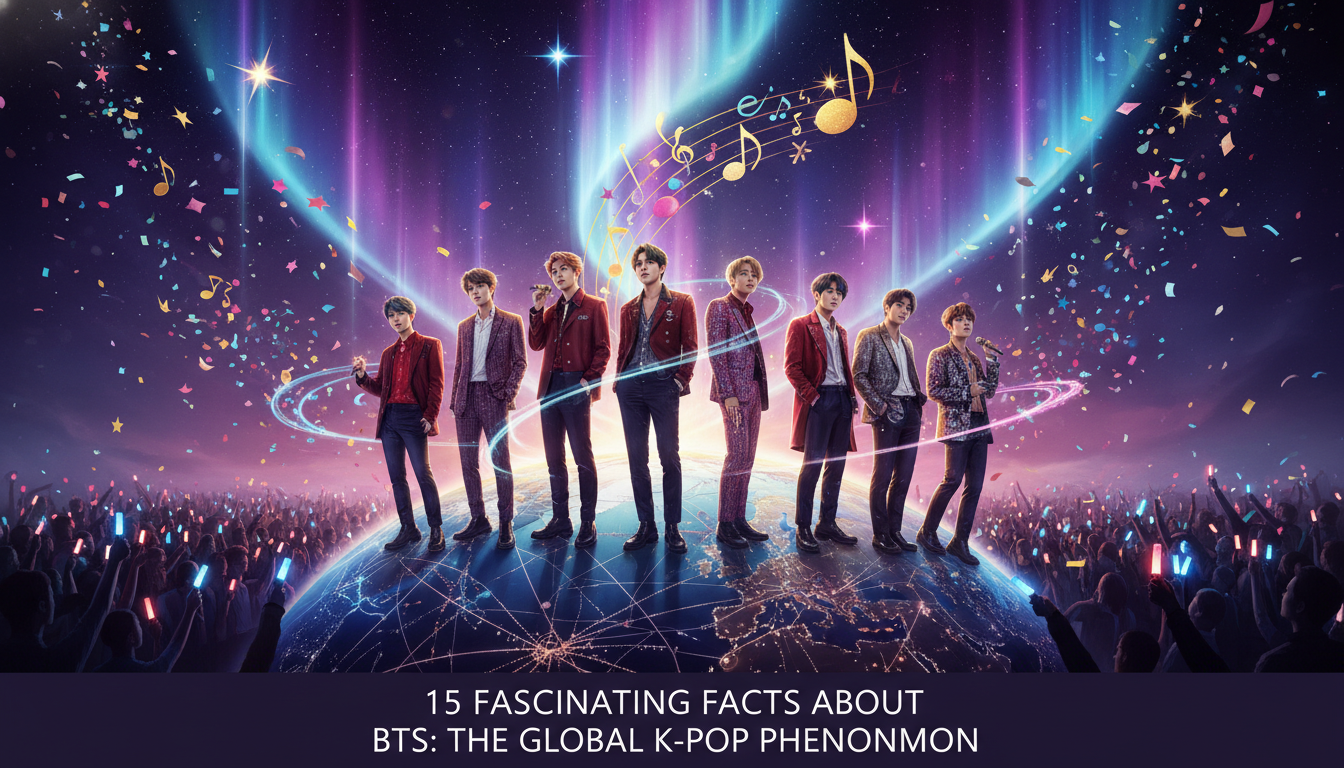
The rise of BTS, also known as the Bangtan Boys, is nothing short of a modern-day fairy tale in the music industry. Emerging from a small, nearly bankrupt agency in South Korea, they have transformed into the biggest musical act in the world. Their journey is marked by perseverance, creative brilliance, and a unique connection with a global audience that transcends language and cultural barriers.
The Humble Origins of Big Hit Entertainment
Unlike many K-Pop groups produced by the ‘Big Three’ agencies in South Korea, BTS debuted under Big Hit Entertainment, which was a small and struggling company at the time. In their early days, the members lived together in a cramped one-room apartment, often sharing chores and resources. This underdog narrative became a core part of their identity, resonating with millions of fans who saw their own struggles reflected in the group’s journey.
The Meaning Behind the Name Bangtan Sonyeondan
The name BTS stands for ‘Bangtan Sonyeondan,’ which literally translates to ‘Bulletproof Boy Scouts.’ The name was chosen to represent the group’s desire to block out stereotypes, criticisms, and expectations that aim at adolescents like bullets. In 2017, they extended their brand identity to include ‘Beyond The Scene,’ symbolizing their growth and the idea that they are moving forward, surpassing the realities they face.
Unprecedented Billboard Success
BTS has fundamentally changed the landscape of the Billboard charts. They were the first K-Pop group to reach number one on the Billboard 200 with their album Love Yourself: Tear. Following this, they achieved multiple number-one hits on the Billboard Hot 100, including ‘Dynamite,’ ‘Butter,’ and ‘Life Goes On.’ The latter was particularly significant as it was the first song performed primarily in Korean to debut at the top of the chart.
Grammy Nominations and Historical Performances
The group made history by becoming the first K-Pop act to receive a Grammy nomination in a major category. Their performance of ‘Dynamite’ at the 63rd Annual Grammy Awards was a watershed moment for Asian representation in Western music. They have since returned to the Grammy stage multiple times, proving that their influence is not a passing trend but a permanent shift in the global cultural zeitgeist.
The Power of the ARMY Fandom
No discussion about BTS is complete without mentioning their dedicated global fanbase, known as ARMY (Adorable Representative M.C. for Youth). The ARMY is more than just a group of fans; it is a highly organized digital community that mobilizes for social causes, charity work, and digital streaming goals. Their collective power has been instrumental in BTS’s success, often breaking social media records within minutes of a new release.
Social Media Presence and Digital Impact
BTS holds several Guinness World Records for social media engagement. For years, they were the most-tweeted-about celebrities globally. Their strategy of sharing raw, behind-the-scenes content on platforms like Twitter and V-Live allowed fans to feel a personal connection with the members, a tactic that many Western artists have since attempted to emulate.
Musical Diversity and Self-Production
One of the key factors that sets BTS apart is their involvement in the creative process. Unlike many manufactured pop acts, the members—particularly RM, Suga, and J-Hope—are heavily involved in songwriting, composing, and producing their tracks. Their discography spans multiple genres, including:
- Hip-Hop and R&B
- EDM and Synth-pop
- Rock and Orchestral Ballads
- Old-school Jazz influences
Meaningful Lyrics and Social Commentary
BTS’s music often tackles complex themes such as mental health, the pressure of the education system in Korea, consumerism, and the importance of self-love. Their ‘Love Yourself’ album trilogy was a deep dive into the journey of finding self-worth, which culminated in a global campaign that touched the lives of millions.
Philanthropy and Global Influence
BTS has consistently used their platform for social good. In partnership with UNICEF, they launched the ‘Love Myself’ campaign in 2017, aimed at ending violence against children and teenagers. The campaign has raised millions of dollars and has been promoted through their world tours and digital platforms, showcasing their commitment to being positive role models.
Speaking at the United Nations
In 2018, BTS became the first K-Pop group to address the United Nations. Group leader RM delivered a powerful speech about identity and the importance of ‘speaking yourself.’ They returned to the UN in 2021 as Special Presidential Envoys for Future Generations and Culture, where they performed ‘Permission to Dance’ inside the UN headquarters in New York.
Economic Contribution to South Korea
The ‘BTS effect’ on the South Korean economy is staggering. It is estimated that the group contributes over $3.6 billion to the South Korean economy annually. Their influence extends to:
- Tourism: One in every thirteen foreign tourists visited South Korea because of BTS.
- Exports: Increased global demand for Korean cosmetics, food (like Tteokbokki), and fashion.
- Language: A massive surge in people worldwide learning the Korean language.
The ‘BTS Law’ and Military Service
The group’s impact was so significant that the South Korean government passed a law, often referred to as the ‘BTS Law,’ which allowed top K-Pop stars to postpone their mandatory military service until the age of 30. This highlighted the government’s recognition of the group’s role in enhancing South Korea’s national prestige and soft power.
Collaborations with Western Icons
BTS has collaborated with some of the biggest names in the Western music industry, bridging the gap between East and West. Notable collaborations include ‘Boy With Luv’ featuring Halsey, ‘My Universe’ with Coldplay, and ‘Idol’ featuring Nicki Minaj. These partnerships have helped solidify their place in the mainstream Western market while maintaining their unique Korean identity.
Breaking the Language Barrier
Perhaps the most impressive feat of BTS is their ability to sell out stadiums in non-English speaking countries. From Wembley Stadium in London to the Rose Bowl in California, fans sing along to Korean lyrics with passion. This phenomenon has challenged the long-held belief that music must be in English to achieve global commercial success.
The Legacy of BTS
As the members currently focus on solo projects and fulfill their military obligations, their legacy remains untouched. They have opened doors for future generations of K-Pop artists and have proven that music is a universal language. BTS is not just a boy band; they are a symbol of hope, hard work, and the power of staying true to oneself in an ever-changing world.